
From delicate linens to durable synthetics, tablecloths play a crucial role in setting the ambiance of any dining experience. This comprehensive guide dissects the nuances of tablecloth care, offering practical insights into maintaining their pristine appearance and extending their lifespan. Proper care ensures your tablecloths remain a cherished part of your dining traditions for years to come.
This guide delves into various aspects, including pre-care inspection, cleaning methods tailored to different materials, effective stain removal techniques, and optimal storage practices. It’s a complete resource for maintaining the beauty and integrity of your tablecloths.
Introduction to Tablecloth Care
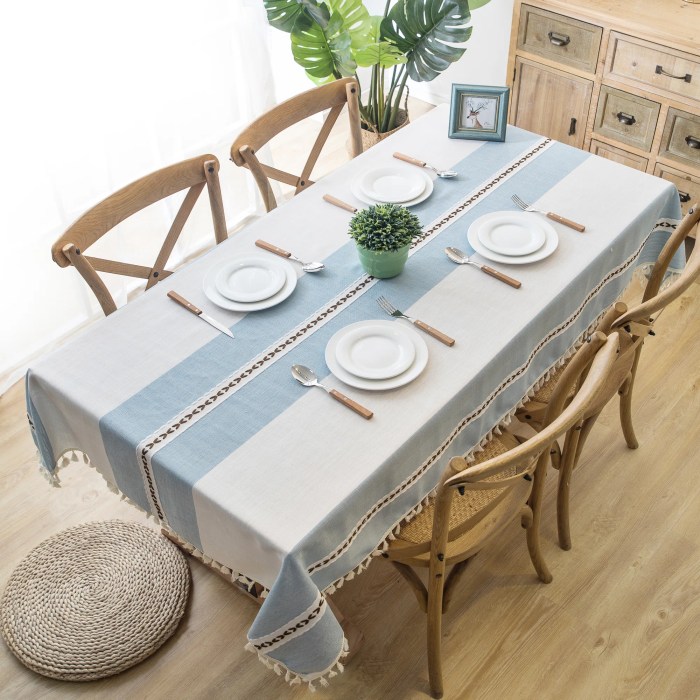
Tablecloth care encompasses the meticulous maintenance practices necessary to preserve the aesthetic appeal and extend the lifespan of tablecloths. Proper care ensures that these essential dining companions remain visually inviting and functional for countless gatherings. Beyond aesthetics, careful handling prevents premature wear and tear, ultimately saving money and reducing environmental impact through extended product life.Maintaining a tablecloth’s pristine condition is not just a matter of appearance; it’s a crucial aspect of preserving its quality and value.
Regular and appropriate care methods prevent stains, fading, and damage, ensuring your tablecloths remain a source of pride and enjoyment for years to come. Different materials require unique care strategies, influencing the longevity and attractiveness of the tablecloth.
Tablecloth Material Types and Care Needs
Tablecloths are crafted from diverse materials, each with its own inherent characteristics and care requirements. Understanding these differences is essential for optimal upkeep. Common materials include linen, cotton, polyester, and blends.
- Linen Tablecloths: Known for their natural elegance and durability, linen tablecloths require gentle care. Their porous nature can absorb liquids, necessitating prompt blotting or blotting with a damp cloth to prevent permanent staining. Ironing at medium heat, followed by careful pressing, is recommended to maintain their crisp texture.
- Cotton Tablecloths: A popular choice due to affordability and versatility, cotton tablecloths are relatively easy to maintain. Spot cleaning with mild detergents is generally sufficient for most spills. Machine washing is possible but requires a gentle cycle and low heat drying to avoid shrinkage or damage. Ironing on a low setting helps maintain the desired shape and crispness.
- Polyester Tablecloths: These durable and wrinkle-resistant tablecloths are ideal for high-traffic environments. Spot cleaning with mild detergents or a damp cloth is typically sufficient for most spills. Machine washing is possible, but it’s important to select a delicate cycle and air-dry to prevent damage. Ironing is often unnecessary, but can be done on a low setting if desired.
Comparative Cleaning Methods for Different Materials
This table highlights the optimal cleaning procedures for various tablecloth materials, offering practical guidance for effective maintenance.
| Tablecloth Material | Best Cleaning Method | Additional Considerations |
|---|---|---|
| Linen | Spot clean with a damp cloth or blot with a clean cloth immediately; professional cleaning recommended for stubborn stains. | Avoid harsh detergents and excessive water. Air drying is preferred. |
| Cotton | Spot clean with a mild detergent solution; machine wash on a gentle cycle. | Dry in low heat or air dry; avoid harsh chemicals or bleaching agents. |
| Polyester | Spot clean with a mild detergent solution; machine wash on a delicate cycle. | Air dry or low heat dry; avoid harsh chemicals or bleaching agents. |
Pre-Care Inspection and Preparation
Proper tablecloth care begins with a meticulous pre-inspection and preparation. A proactive approach to identifying potential issues before cleaning significantly reduces the risk of damage and ensures a longer lifespan for your valuable table linens. This phase involves a critical evaluation of the tablecloth’s condition and careful preparation for the cleaning process.A thorough pre-care inspection and preparation minimize the risk of irreversible damage during the cleaning process.
Careful attention to detail in this phase ensures that the tablecloth is cleaned effectively and efficiently, preserving its quality and aesthetic appeal.
Identifying Stains and Damage
Careful visual examination is crucial for identifying stains and potential damage. Look closely for any discoloration, stains, or marks on the tablecloth. Differentiating between superficial discoloration and deeply embedded stains is essential. Examine the fabric for tears, rips, or frayed edges, noting their location and severity. Consider the type of fabric when assessing potential damage.
Linen, for instance, might show wear and tear more readily than a heavier, more durable fabric like polyester.
Preparing the Tablecloth for Cleaning
Before initiating any cleaning process, remove loose debris and food particles. This simple step prevents further soiling during the cleaning process. Use a soft-bristled brush or a vacuum cleaner with a soft attachment to gently remove dust, crumbs, and other loose particles. Be cautious not to apply excessive pressure, which could damage the fabric. A gentle approach is always preferable when dealing with delicate fabrics.
Stain Type and Potential Solutions
Different stains require specific treatments. The appropriate solution depends on the type of stain and the material of the tablecloth. The following table provides a general guideline for common stain types and their potential solutions. Note that immediate action is critical to preventing a stain from setting.
| Stain Type | Potential Solutions |
|---|---|
| Food Spills (e.g., sauces, fruit juice) | Blot with a clean, absorbent cloth. Apply a mild detergent solution, and blot again. |
| Wine Stains | Immediately blot with a clean white cloth. Apply a mixture of white vinegar and water to the stain. |
| Ink Stains | Blot with a clean, absorbent cloth. Apply a mixture of rubbing alcohol and water to the stain. |
| Grease Stains | Apply a cornstarch or baking soda slurry to absorb the grease. Wash the area with warm water and mild detergent. |
Spot Treating Stubborn Stains
Stubborn stains require a more targeted approach. A step-by-step procedure can effectively address persistent discoloration. The following steps should be followed carefully.
- Isolate the Stain: Carefully isolate the stain from other areas of the tablecloth to prevent the stain from spreading. This step is crucial for effective spot treatment.
- Test a Hidden Area: Test any cleaning solution on a hidden area of the tablecloth first to ensure it doesn’t damage the fabric. This preventative measure is vital for preserving the integrity of the tablecloth.
- Apply Solution: Apply the appropriate cleaning solution directly to the stain, working from the outside in. Use a clean cloth to gently blot the stain. Avoid rubbing, as this can spread the stain or damage the fabric.
- Rinse and Blot: Rinse the affected area with clean water. Blot thoroughly with a clean cloth to remove any remaining solution.
- Repeat if Necessary: Repeat the process if necessary until the stain is completely removed. Persistence is key in eliminating stubborn stains.
Cleaning Methods
Proper tablecloth care hinges on selecting the right cleaning method. Choosing the wrong approach can damage the fabric, diminishing its aesthetic appeal and longevity. Understanding the different cleaning methods and their suitability for various materials is crucial for maintaining the pristine condition of your table linens.
Hand Washing
Hand washing is often the gentlest approach, ideal for delicate fabrics like silk or lace. This method allows for precise control, preventing harsh agitation that could lead to damage.
- Materials Required: Mild detergent specifically designed for delicate fabrics, lukewarm water, a soft sponge or cloth, and a clean basin.
- Steps Involved: Submerge the tablecloth in the basin of lukewarm water. Gently swirl the tablecloth to loosen dirt and stains. Apply a small amount of mild detergent to the soiled areas and allow it to sit for a few minutes. Rinse thoroughly until all traces of detergent are removed. Gently squeeze out excess water, avoiding twisting or wringing, and lay flat to air dry.
- Precautions: Avoid harsh scrubbing or excessive twisting, which could stretch or damage the fabric. Do not soak the tablecloth for extended periods, as this can also cause damage to delicate fabrics.
- Pros: Gentle treatment for delicate materials, allows for precise stain removal, and minimal risk of damage.
- Cons: Time-consuming, requires careful handling, and may not be suitable for heavily soiled tablecloths.
Machine Washing
Machine washing is suitable for sturdy tablecloths, such as those made of cotton or linen. However, careful consideration of the washing cycle and water temperature is crucial.
- Materials Required: Mild detergent suitable for the fabric type, a washing machine, and a laundry bag (for delicate tablecloths).
- Steps Involved: Place the tablecloth in a laundry bag, if necessary. Select a gentle cycle and use lukewarm water. Add the detergent as per the manufacturer’s instructions. Once the cycle is complete, carefully remove the tablecloth from the machine and lay it flat to air dry.
- Precautions: Always check the care label for specific washing instructions. Avoid using hot water, as it can shrink or damage the fabric. Do not overload the washing machine, as this can damage the tablecloth and compromise cleaning effectiveness.
- Pros: Efficient and convenient for larger tablecloths and sturdy fabrics.
- Cons: May not be suitable for delicate materials, and improper washing could damage the tablecloth.
Dry Cleaning
Dry cleaning is the recommended method for delicate fabrics, including those made of silk, velvet, or rayon, which may be damaged by water. Professional dry cleaning ensures that the fabric is handled by trained professionals with specialized equipment.
- Materials Required: Dry cleaning solution, professional dry cleaning equipment, and a professional dry cleaner.
- Steps Involved: Contact a professional dry cleaner for their services. They will follow the appropriate dry cleaning procedure and return the cleaned tablecloth.
- Precautions: Always check the care label for the recommended dry cleaning solvent. Professional dry cleaning services ensure proper handling and cleaning.
- Pros: Preserves the integrity of delicate fabrics, ensures thorough cleaning, and eliminates the risk of water damage.
- Cons: Can be more expensive than other cleaning methods, and may not be available in all locations.
Cleaning Solutions for Different Materials and Stains
| Material | Stain | Cleaning Solution |
|---|---|---|
| Cotton | Food spills | Warm water and mild detergent |
| Linen | Wine | White vinegar and water |
| Silk | Oil | Dry cleaning |
| Polyester | Ink | Mild detergent and cold water |
Note: Always test any cleaning solution in an inconspicuous area first to avoid unintended damage.
Water-Based Cleaning Solutions
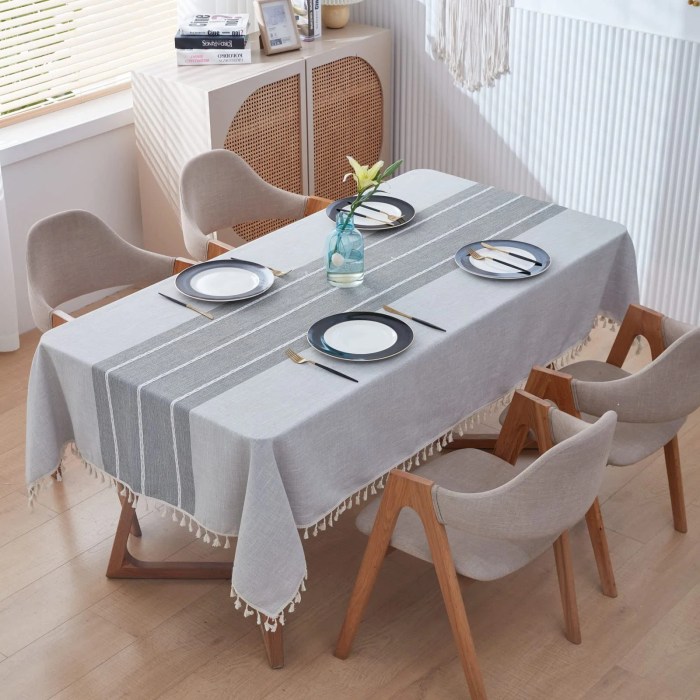
Water-based cleaning solutions are often the safest and most effective approach for maintaining tablecloths, particularly those made from delicate fabrics. Proper dilution and application are crucial to avoid damaging the fibers or leaving behind residue. Understanding the specific needs of different fabrics and stain types is key to successful cleaning.
Ingredient Considerations
Water-based cleaning solutions typically involve a combination of water and mild detergents or cleaning agents. The choice of detergent is vital; harsh chemicals can damage the fibers of the tablecloth, while overly mild solutions may not effectively remove stains. Commercial dish soaps, gentle laundry detergents, or specialized fabric cleaning solutions are suitable options. The key is to select a product specifically formulated for delicate fabrics to prevent discoloration or damage.
Dilution Ratios and Application Techniques
Proper dilution is paramount. A general guideline is to follow the manufacturer’s instructions for the chosen cleaning agent. Diluting the cleaning solution in a ratio of 1:10 (one part cleaner to ten parts water) is a good starting point for most tablecloths. For heavily soiled tablecloths, a 1:20 ratio might be more appropriate. Test the solution on a hidden area of the tablecloth before applying it to the entire surface.
Applying the solution with a soft-bristled brush or a clean microfiber cloth ensures even distribution and minimizes the risk of abrasion. Work in small sections and allow the solution to sit for a short period (typically 5-10 minutes) to allow the stain to loosen before rinsing.
Effectiveness of Different Solutions
| Stain Type | Recommended Cleaning Solution | Effectiveness Notes |
|---|---|---|
| Food Spills (e.g., sauces, oils) | Mild dish soap diluted in warm water | Effective in removing most food-based stains, especially if addressed promptly. Avoid harsh scrubbing. |
| Wine Stains | White vinegar diluted in warm water | Vinegar helps to neutralize the acidic nature of wine, effectively lifting the stain. Apply immediately for best results. |
| Ink Stains | Isopropyl alcohol diluted in water (1:1 ratio) | Isopropyl alcohol is effective in dissolving some ink types. Always test in an inconspicuous area first. |
| Coffee/Tea Stains | Baking soda paste diluted in water | Baking soda helps to absorb the stain, and the diluted solution can gently lift it. Ensure complete rinsing to remove any residue. |
| Fruit Juice Stains | Lemon juice diluted in water | Lemon juice’s acidity helps to break down fruit juice stains, particularly citrus-based ones. Avoid direct application to delicate fabrics. |
Important Considerations
Always prioritize the care instructions provided by the tablecloth manufacturer. These instructions often specify the appropriate cleaning methods for the particular fabric. Never use hot water, harsh scrubbing, or strong chemicals when cleaning tablecloths. Excessive heat or abrasive scrubbing can damage the fibers, leading to discoloration or irreversible damage. After cleaning, thoroughly rinse the tablecloth to remove all traces of cleaning solution and allow it to air dry completely, away from direct sunlight.
Proper care and cleaning practices are essential for maintaining the longevity and aesthetic appeal of your tablecloths.
Stain Removal Techniques
Prompt stain removal is crucial for preserving the aesthetic and longevity of tablecloths. Ignoring stains, even seemingly minor ones, can lead to permanent discoloration and damage, requiring more extensive and potentially costly cleaning procedures. Effective stain removal hinges on swift action and the right approach tailored to the specific type of stain.Understanding the nature of the stain is paramount.
Different materials and substances react differently to cleaning agents. Knowing the type of fabric, the composition of the stain, and the time elapsed since its application will guide the most effective stain removal strategy. This crucial information will prevent damage to the tablecloth’s fibers and maintain its integrity.
Wine Stain Removal
Prompt action is key when dealing with wine stains. Red wine, in particular, can be notoriously difficult to remove if left untreated. The longer the stain sits, the more likely it is to become deeply embedded into the fibers of the tablecloth. A quick response is essential to preventing permanent discoloration.Soak a clean white cloth or paper towel with cold water and gently blot the affected area.
Avoid rubbing, as this can spread the stain. For stubborn stains, consider using a specialized wine stain remover. Always test the cleaning solution on an inconspicuous area of the tablecloth first to ensure it does not damage the fabric.
Grease Stain Removal
Grease stains can be particularly problematic, often requiring a multi-step approach. The presence of grease necessitates the use of solvents that can dissolve the oily substance. Applying heat can also increase the effectiveness of grease removal.Blot the stain with a clean, absorbent cloth or paper towel. Do not rub the grease stain, as this can spread it.
Next, apply a mild dish soap or a specialized grease remover to the stain. Allow the solution to sit for a few minutes, then gently blot the area with a clean, damp cloth. Repeat this process until the stain is removed.
Coffee Stain Removal
Coffee stains, like wine stains, can be difficult to remove if not treated promptly. The tannic acid in coffee can cause discoloration and staining if left to penetrate the fabric. Early intervention is essential to prevent permanent damage.First, blot the stain with a clean, absorbent cloth or paper towel to absorb as much coffee as possible. Then, apply a mild detergent solution to the stain and gently blot with a clean, damp cloth.
Avoid rubbing, which can spread the stain. For persistent stains, consider using a specialized stain remover. Test the cleaning solution on an inconspicuous area of the tablecloth first to avoid fabric damage.
Stain Removal Timetable
| Stain Type | Solution | Ideal Application Time |
|---|---|---|
| Wine (red) | Cold water, white cloth/paper towel blot, specialized remover (if needed) | Immediately |
| Grease | Blot, mild dish soap or grease remover, blot again | Immediately |
| Coffee | Blot, mild detergent, blot | Immediately |
Drying and Finishing Procedures
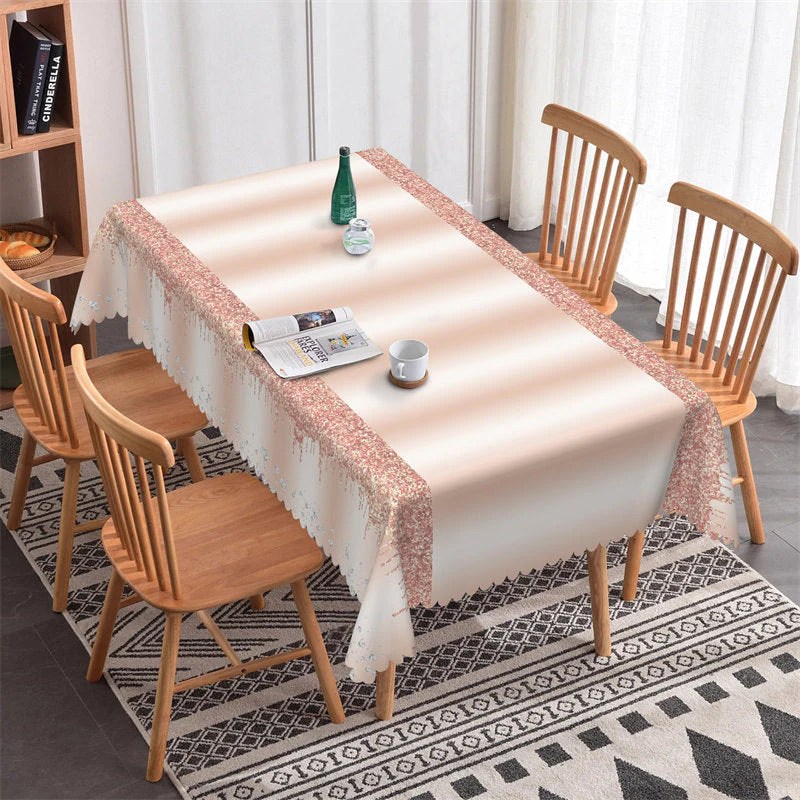
Proper drying is crucial for preserving the aesthetic appeal and longevity of tablecloths. Incorrect drying methods can lead to irreversible wrinkles, shrinkage, or damage to the fabric’s fibers. Careful attention to the specific material and appropriate techniques will ensure a pristine finish.The drying process should prioritize minimizing stress on the fabric. Gentle handling and the right drying method prevent damage and maintain the tablecloth’s original shape and color.
Choosing the right drying technique depends heavily on the type of fabric. Some fabrics, like linen, require specific handling to avoid stretching or shrinking.
Drying Methods for Different Tablecloth Types
Different tablecloth materials react differently to drying. Cotton, linen, silk, and polyester all have unique moisture absorption and drying characteristics. Understanding these differences is key to avoiding damage and maintaining the tablecloth’s pristine appearance.
- Cotton Tablecloths: Cotton tablecloths are generally robust and can tolerate a wider range of drying methods. Air drying on a flat surface is often the best choice. Avoid direct sunlight, which can fade colors. For faster drying, use a low heat setting on a clothesline or a drying rack.
- Linen Tablecloths: Linen, known for its natural texture, requires a delicate approach to drying. Air drying is the preferred method, laid flat on a clean, dry surface. Avoid twisting or wringing the tablecloth, as this can distort the fibers and create wrinkles. If using a drying rack, ensure it’s adequately supported to prevent sagging.
- Silk Tablecloths: Silk tablecloths are exceptionally delicate. Air drying is essential. Lay the tablecloth flat on a clean, dry surface. Avoid direct heat or sunlight, as these can cause irreversible damage. Use a padded surface to protect the fabric from friction or scratching.
- Polyester Tablecloths: Polyester tablecloths are durable and can handle machine drying on a low heat setting. It’s advisable to tumble dry on a low heat setting for a shorter duration to prevent wrinkles and shrinkage. Always use a mesh laundry bag to protect the tablecloth from snagging on other garments.
Minimizing Wrinkles and Restoring Shape
Preventing wrinkles during the drying process is crucial for maintaining the tablecloth’s aesthetic appeal. Prompt handling and the use of appropriate techniques can significantly reduce the likelihood of permanent wrinkles.
- Prompt Handling: Immediately after washing, gently roll the tablecloth in a clean towel to absorb excess water. Avoid wringing or twisting, which can damage the fabric.
- Laying Flat: Lay the tablecloth flat on a clean, dry surface. Use padded surfaces or a clean sheet to protect the fabric from friction or scratches.
- Steaming: A gentle steam can help relax wrinkles. Use a handheld steamer, but maintain a safe distance from the fabric to prevent damage.
- Ironing: Ironing can be used to remove wrinkles, but always refer to the care label for the appropriate temperature setting. Use a pressing cloth to prevent direct contact with the fabric, especially for delicate materials.
Drying Methods Summary
| Drying Method | Suitable Materials | Precautions |
|---|---|---|
| Air drying | Cotton, linen, silk | Avoid direct sunlight, twisting, or wringing |
| Tumble drying (low heat) | Polyester | Use a mesh laundry bag, shorter duration |
| Steaming | Most materials (check care labels) | Maintain safe distance from fabric |
| Ironing | Most materials (check care labels) | Use a pressing cloth, appropriate temperature |
Storage and Maintenance
Proper storage and maintenance are crucial for preserving the beauty and longevity of your tablecloths. Neglecting these aspects can lead to premature deterioration, wrinkles, and even the development of mildew, significantly reducing the lifespan of your investment. Implementing the right strategies ensures your tablecloths remain in pristine condition, ready for any occasion.Optimal storage practices protect tablecloths from damage and maintain their pristine condition.
This involves understanding the specific needs of various fabrics and implementing preventative measures to avoid common issues like wrinkles and mildew. Consistent maintenance routines, combined with careful storage, ensure your tablecloths remain a valuable asset in your household.
Best Practices for Storing Tablecloths
Proper storage techniques are essential for maintaining a tablecloth’s quality and appearance. Wrinkles and mildew can be prevented by following the right procedures.
- Folding Techniques: Fold tablecloths carefully to avoid creases and wrinkles. Use a clean, flat surface to lay the tablecloth and carefully fold it in thirds or quarters, ensuring the fabric is not stretched or distorted. Using a clean, wrinkle-free cloth to lay beneath can further prevent wrinkles.
- Storage Environment: Choose a cool, dry, and well-ventilated area for storage. Avoid direct sunlight, extreme temperatures, and humidity, as these factors can accelerate deterioration and mildew growth. A linen closet or a designated area in a storage room would be suitable.
- Protection from Dust and Pests: Store tablecloths in dust-free containers or garment bags to prevent the accumulation of dust and dirt. Inspect regularly for signs of pest damage and take necessary steps to protect the fabric from infestations. Using airtight storage containers can prevent pests from entering the storage space.
Preventing Damage During Storage
Addressing potential issues during storage is crucial to preserve the condition of your tablecloths.
- Wrinkle Prevention: To minimize wrinkles, place a clean, smooth sheet or a padded surface beneath the tablecloth before folding. Rolling the tablecloth tightly can also help prevent wrinkles. Avoid storing the tablecloth in a tight, folded state for prolonged periods.
- Mildew Control: Ensure adequate ventilation in the storage area to prevent moisture buildup. Storing tablecloths in a dry, well-ventilated environment, ideally with low humidity, is critical. Periodically inspect for signs of moisture and take corrective actions immediately.
- Fabric-Specific Care: Some fabrics, like delicate silks or lace, require more delicate handling during storage. Consider using acid-free tissue paper or acid-free boxes to prevent staining and discoloration.
Importance of Regular Maintenance
Consistent maintenance extends the lifespan of your tablecloths.
- Regular Inspection: Inspect your tablecloths for any signs of damage, such as stains, tears, or discoloration, before each use. Addressing minor issues promptly can prevent larger problems. This can be done before washing or during the pre-care inspection phase.
- Cleaning Schedule: Establish a cleaning schedule based on frequency of use. Frequent cleaning helps maintain a tablecloth’s appearance and prolong its life. This depends on the type of fabric and the environment where the tablecloth is used.
- Professional Cleaning: For delicate or heavily soiled tablecloths, professional cleaning is recommended to preserve the quality and prevent further damage. This is crucial for materials that are not easily cleaned at home.
Storage Tips for Various Tablecloth Types
Different materials require tailored storage strategies to maintain their condition.
| Tablecloth Type | Storage Tip |
|---|---|
| Linen | Store folded flat, using acid-free tissue paper to separate layers to prevent creasing and maintain the fabric’s integrity. Avoid prolonged exposure to moisture. |
| Silk | Use acid-free tissue paper or archival-quality storage bags to prevent discoloration. Store in a cool, dry, dark place, avoiding direct sunlight. |
| Cotton | Fold carefully, using a soft cloth beneath to prevent wrinkles. Store in a well-ventilated area to avoid moisture buildup. |
| Polyester | Fold flat or roll tightly to avoid creasing. Store in a cool, dry, and well-ventilated area, away from direct sunlight. |
Troubleshooting and Common Issues
Maintaining the pristine appearance and structural integrity of tablecloths requires vigilance and a proactive approach to potential problems. Ignoring early signs of distress can lead to irreversible damage, necessitating costly replacements or extensive restoration efforts. A proactive approach to care, including regular inspections and appropriate handling, minimizes the risk of issues.
Identifying Common Tablecloth Care Issues
Tablecloths, regardless of material, are susceptible to various issues. Discoloration, often caused by exposure to sunlight or staining, can mar the aesthetic appeal. Shrinkage, particularly in fabrics like linen or cotton, can lead to an uneven or distorted appearance. Damage, from accidental tears or burns, requires prompt attention to prevent further deterioration.
Solutions for Discoloration
Discoloration can be mitigated through appropriate cleaning techniques. Sunlight exposure is a primary cause, so storing tablecloths in a cool, dark environment is essential. Certain fabrics, like natural fibers, might exhibit some yellowing or fading over time. Correcting this involves specialized cleaning methods that might include bleaching agents (always test in an inconspicuous area first).
Solutions for Shrinkage
Shrinkage, particularly in natural fibers, can be a concern. Incorrect washing procedures or improper drying methods are often the culprits. Carefully following the care instructions provided by the manufacturer is crucial. Using cold water and avoiding high heat during drying are essential steps in preventing shrinkage. Special care should be taken with hand-wash or dry-clean instructions.
Solutions for Damage
Damage to tablecloths, whether tears, stains, or burns, necessitates immediate attention. Minor tears can often be repaired with a simple sewing technique or a specialized patch. More extensive damage may require professional intervention. Burn marks, unfortunately, are often irreparable, but the extent of the damage can be evaluated to determine if restoration is possible.
Importance of Professional Cleaning
Complex issues, such as severe stains, persistent discoloration, or significant damage, often require the expertise of a professional cleaner. Their specialized equipment and knowledge are crucial for restoring the tablecloth to its original condition. Attempting to address these issues yourself could worsen the damage, leading to further expenses.
Table of Common Problems and Solutions
| Problem | Potential Solution |
|---|---|
| Discoloration (yellowing, fading) | Gentle cleaning with appropriate detergents, avoiding harsh chemicals. Storing in a dark, cool environment. Consult professional cleaner for severe cases. |
| Shrinkage | Adhering to manufacturer’s care instructions, avoiding high heat during drying, and using cold water for washing. |
| Tears/Damage | Minor tears can be repaired with sewing or patching. Severe damage necessitates professional intervention. |
| Persistent Stains | Use appropriate stain removal techniques, following the manufacturer’s instructions. Consult a professional cleaner for stubborn stains. |
Tablecloth Care for Special Occasions
Preserving the elegance and pristine condition of tablecloths for special occasions, such as weddings or holiday gatherings, requires meticulous preparation and proactive maintenance. These events often involve significant traffic and potential for spills or damage, necessitating a heightened level of care compared to everyday use. Proper planning and execution are paramount to ensuring the tablecloths remain flawless throughout the festivities.
Preparing for High-Traffic Events
Ensuring a smooth flow for high-traffic events requires proactive measures to prevent damage to the tablecloths. This involves strategically positioning the tablecloth and considering potential obstacles that might cause snags or tears. Careful consideration of the layout and guest flow minimizes the risk of accidents.
- Protective Measures: Employing protective underlays, such as placemats or runners, strategically placed beneath the tablecloth, will significantly reduce the risk of direct contact with spills or other potential sources of damage. This adds a layer of defense against stains and wear.
- Clear Pathways: Designate clear pathways around the dining area to prevent accidental dragging or snagging of the tablecloth. This minimizes the potential for unwanted stress on the fabric, thus preserving its integrity.
- Strategically Placed Furniture: Arrange furniture in a manner that allows for easy access and movement without compromising the tablecloth’s integrity. This prevents accidental pulling or tugging that might cause damage.
Preventing Damage During Parties
Implementing preventative measures during the party itself is crucial for maintaining the tablecloth’s pristine condition. These measures focus on minimizing exposure to potential hazards and promptly addressing any incidents that may occur.
- Prompt Spill Response: Having readily available absorbent materials, such as paper towels or specialized spill kits, is vital. Quick action to absorb any spills significantly reduces the risk of permanent staining.
- Designated Cleaning Area: Establish a designated area for cleaning up spills and accidents. This minimizes the spread of contaminants and facilitates easy cleanup, ensuring the tablecloth remains in pristine condition.
- Monitoring Guest Behavior: Supervising guests’ behavior around the tablecloth can prevent accidental damage or misuse. Gentle reminders about appropriate handling can help maintain the tablecloth’s condition throughout the event.
Special Occasion Tablecloth Care Tips
This table summarizes key strategies for maintaining tablecloths during special occasions.
| Occasion | Preparation | Maintenance | Prevention |
|---|---|---|---|
| Weddings | Use a sturdy, water-resistant tablecloth | Keep napkins and utensils contained | Employ strategically placed barriers to minimize damage |
| Holidays | Choose a durable tablecloth in festive colors | Monitor spills and accidents immediately | Ensure clear pathways to avoid snagging |
| Birthdays | Select a tablecloth that complements the theme | Provide disposable placemats for protection | Have spill-cleanup materials readily available |
Closing Notes
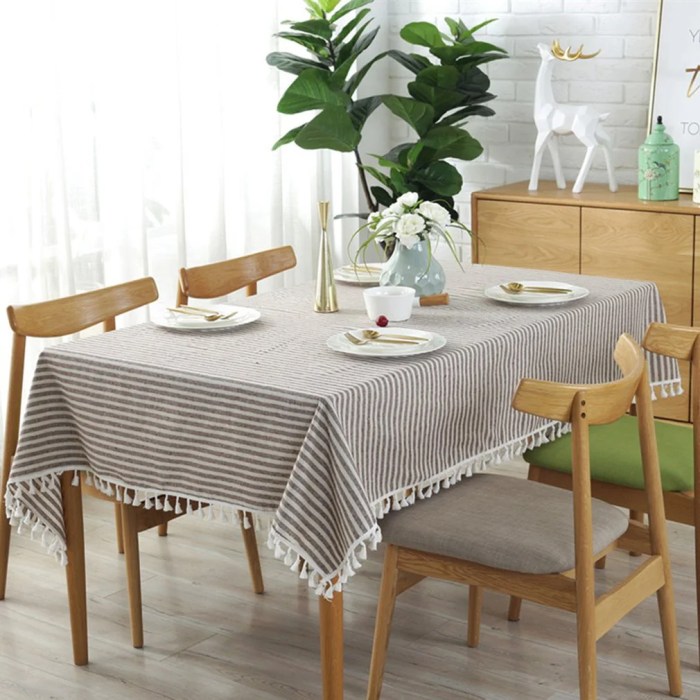
In conclusion, this guide provides a comprehensive resource for maintaining the beauty and longevity of your tablecloths. By understanding the unique care requirements of different materials, implementing effective cleaning methods, and practicing proper storage techniques, you can ensure your tablecloths remain a centerpiece of your dining experiences for years to come. Proper care ensures your tablecloths remain a cherished part of your dining traditions for years to come.
