
Craft enthusiasts face the constant challenge of keeping their supplies organized and accessible. Shelf dividers for craft supplies offer a solution, transforming chaotic workspaces into inspiring havens. From hobby rooms to dedicated workshops, these versatile tools streamline workflows and spark creativity. Choosing the right dividers—whether plastic, wood, or fabric—is crucial to maximizing both functionality and aesthetic appeal.
Beyond the initial setup, thoughtful organization strategies are key to unlocking the full potential of these dividers. Categorizing supplies by type, color, or size allows for rapid retrieval and fosters a more efficient workflow. By carefully considering the specific needs of different craft spaces, from small workshops to expansive studios, you can select dividers that maximize storage and streamline your creative process.
Introduction to Shelf Dividers for Craft Supplies
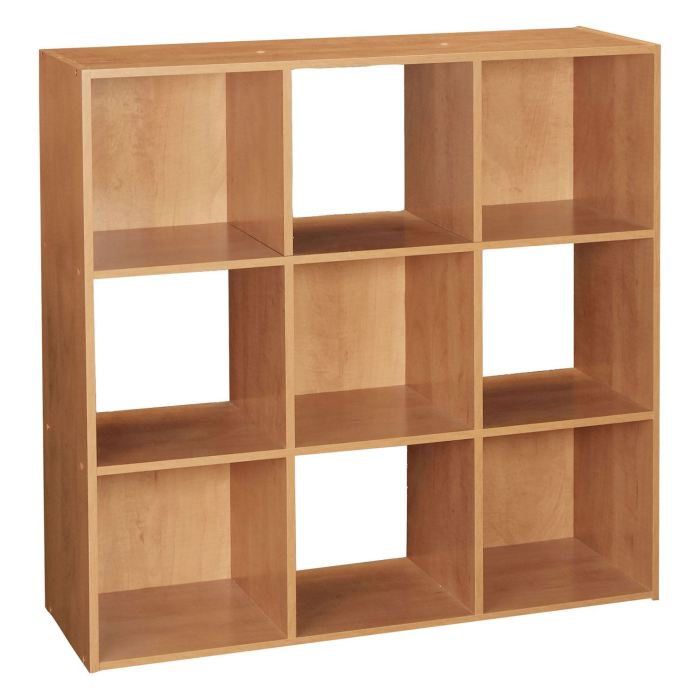
Craft enthusiasts, from seasoned hobbyists to budding artists, understand the transformative power of a well-organized workspace. A cluttered space can stifle creativity and diminish productivity. Shelf dividers, thoughtfully designed for specific craft supplies, are crucial for achieving optimal efficiency and inspiration. These versatile tools create dedicated zones for various materials, fostering a more focused and productive crafting experience.Shelf dividers offer a structured approach to organizing craft supplies, enabling artists to locate specific items with ease and minimizing the time spent searching.
This targeted organization translates directly into increased productivity, allowing creators to focus on the creative process rather than the logistical challenges of finding the right tools.
Types of Shelf Dividers
A wide array of shelf dividers caters to diverse needs and aesthetic preferences. From simple plastic compartments to elaborate wooden structures, the choice depends on the specific craft, storage space, and desired aesthetic. The range extends to fabric dividers, which offer a softer, more visually appealing solution, particularly for delicate or sensitive items.
Organization for Efficiency and Inspiration
Organizing craft supplies significantly impacts both efficiency and inspiration. A well-organized space facilitates quick access to materials, reducing the time spent searching. This focused environment fosters a sense of calm and control, allowing artists to fully immerse themselves in the creative process. This, in turn, often leads to increased productivity and more inspired projects. For example, a meticulously organized scrapbook station will dramatically reduce the time spent hunting for specific papers or embellishments, leading to faster project completion and a more enjoyable experience.
Applications in Various Spaces
Shelf dividers are adaptable to various settings, enhancing organization in a multitude of craft-related spaces. From hobby rooms to dedicated workshops or craft studios, these organizers can effectively manage an assortment of tools, materials, and finished projects. In a home hobby room, dividers can help to keep supplies separate and prevent mixing of craft mediums. In a professional craft studio, efficient organization can maximize space and workflow, minimizing the time spent searching for necessary items.
Benefits in Terms of Time and Workflow
The strategic use of shelf dividers directly translates into significant time savings and improved workflow. By creating designated spaces for specific craft supplies, artists can quickly locate the needed items. This streamlined process significantly reduces the time spent searching, leading to faster project completion. Furthermore, a well-organized space promotes a sense of order and control, enhancing inspiration and motivation.
Categories of Dividers
| Category | Description | Suitable for |
|---|---|---|
| Plastic | Lightweight, affordable, and readily available in various sizes and shapes. | General craft supplies, paints, small tools, and embellishments. |
| Wood | Durable, aesthetically pleasing, and offer a wider range of customization options. | Larger tools, heavier materials, and projects requiring a more substantial storage solution. |
| Fabric | Aesthetically appealing, soft, and ideal for delicate items. | Small beads, buttons, or fabrics. |
Types and Materials of Shelf Dividers
Craft supply storage is crucial for maintaining organization and maximizing workspace efficiency. Choosing the right shelf dividers is paramount to achieving this, and understanding the various materials and styles available is key to making an informed decision. The optimal divider will depend on the specific needs of the crafter, from the type of supplies being stored to the desired aesthetic.The selection of shelf dividers hinges on a careful consideration of factors like material durability, aesthetic compatibility with the existing décor, and the intended use.
Plastic dividers, for example, are often budget-friendly and lightweight, while wooden dividers offer a more substantial, traditional feel. Metal dividers can provide a modern, industrial aesthetic and are often quite durable. Fabric dividers can add a touch of color and personality to a space. The choice often boils down to balancing practicality, appearance, and cost.
Common Materials
A variety of materials are employed in the construction of shelf dividers. Understanding the strengths and weaknesses of each material is essential for selecting the best option. The most common materials include plastic, wood, metal, and fabric, each with distinct characteristics.
Material Durability and Aesthetic Appeal
The durability and aesthetic appeal of shelf dividers are influenced by the material used. Plastic dividers are typically lightweight and affordable, making them suitable for various storage needs. Wood dividers, on the other hand, offer a more traditional and often upscale aesthetic, and their durability can vary depending on the type of wood. Metal dividers, often featuring a sleek and modern design, are known for their robustness and resistance to damage.
Fabric dividers, while not as durable as other options, are highly versatile and can be customized to match a wide range of décor styles.
Different Divider Styles
Beyond the material, various divider styles cater to different needs and preferences. Adjustable dividers allow for customized spacing, accommodating varying sizes of items. Stackable dividers, designed to be layered or nested, are space-saving and efficient for organizing items of similar height. Clear dividers are often transparent, allowing for easy identification of contents. Decorative dividers can enhance the visual appeal of storage shelves, adding a touch of personality to the overall décor.
| Material | Style | Pros | Cons |
|---|---|---|---|
| Plastic | Adjustable, Stackable, Clear | Affordable, lightweight, easy to clean, readily available in various colors and styles | May not be as durable as wood or metal, potentially less aesthetically appealing to some |
| Wood | Adjustable, Decorative | Durable, aesthetically pleasing, warm and inviting, provides a solid feel | Can be more expensive than plastic, may require more maintenance |
| Metal | Adjustable, Stackable, Clear | Durable, strong, provides a modern and industrial aesthetic, easy to clean | Can be heavier than plastic or wood, potentially more expensive |
| Fabric | Decorative | Versatile, customizable, can add a pop of color, easy to clean | May not be as durable as other materials, not ideal for all storage needs |
Organization Strategies and Techniques
Maximizing the utility of craft supplies hinges on efficient organization. Properly utilizing shelf dividers allows for a streamlined workflow, reducing wasted time searching for specific items and minimizing frustration. This strategic approach not only saves time but also fosters a more productive and enjoyable craft experience.Effective organization transcends mere tidiness; it’s about creating a system that anticipates needs and streamlines the creative process.
A well-organized craft space allows for a seamless transition between projects, ensuring materials are readily available when required. This, in turn, fosters a sense of control and reduces the time spent on non-creative tasks.
Categorization Strategies
Categorization is crucial for navigating a vast array of craft supplies. By grouping similar items, locating specific materials becomes an effortless process. This method not only streamlines retrieval but also enhances the overall organization of the craft space.
- By Type: Grouping supplies by type—e.g., paints, fabrics, beads—provides a clear and logical structure. This approach is particularly helpful for those working with a diverse range of materials. For example, a dedicated area for painting supplies will keep brushes, paints, and palettes together, while a separate area for fabric crafting would include needles, threads, and fabric scraps.
- By Color: Color-coding can significantly improve the efficiency of locating specific hues. This method is particularly beneficial for artists and crafters who frequently use color palettes. A dedicated area for shades of red, for example, will keep red paints, pencils, and papers grouped together, facilitating the selection of specific shades.
- By Size: Organizing supplies by size is essential for precise crafting. This is particularly useful for items like beads, buttons, or craft punches, ensuring that matching sizes are easily accessible. Organizing buttons by size, for instance, will allow quick selection of specific sizes needed for a project. Likewise, arranging craft punches by size ensures easy retrieval of the right punch for the job.
Maximizing Storage Space
Strategic placement and utilization of shelf dividers can significantly enhance storage space. Properly selected dividers can transform underutilized space into functional storage solutions.
- Vertical Space Utilization: Employing stackable dividers, or those with multiple tiers, allows for vertical space optimization. This approach is particularly effective for storing items of varying sizes and heights.
- Utilizing Corner Spaces: Corner shelves, often overlooked, can be transformed into functional storage areas using specialized corner dividers. This approach allows for the efficient utilization of often-wasted space.
- Creating Compartments: Creating clearly defined compartments using dividers ensures that supplies are not mixed, preventing confusion and streamlining the retrieval process. Dividers can be custom-fitted to specific needs, ensuring optimal use of space and reducing the risk of supplies getting lost.
Customizing Dividers for Specific Craft Needs
Customizing shelf dividers is crucial for optimizing craft storage. This involves adapting the dividers to the specific requirements of each craft area.
- Specific Craft Requirements: The choice of dividers should align with the specific needs of the craft. For example, dividers for painting supplies should be resistant to spills and moisture. Conversely, dividers for sewing supplies might require specialized compartments for small tools or specialized slots for thread spools.
- Modular Design: Using modular dividers allows for adjustments as storage needs change. This ensures that the system can adapt to evolving projects and collections. A modular system allows for the easy addition or removal of dividers, catering to changes in craft needs.
Ideal Divider Placement for Craft Supplies
This table Artikels the ideal placement of shelf dividers for various craft supply categories.
| Craft Supply Category | Ideal Divider Placement |
|---|---|
| Paint Supplies | Individual compartments for paints, brushes, palettes; moisture-resistant materials |
| Fabric Crafting Supplies | Dedicated slots for needles, thread, scissors; clear compartments for fabric scraps |
| Beads and Jewelry Making Supplies | Small, partitioned compartments for various bead sizes and types; trays for findings |
| Paper Crafts | Separate compartments for paper, cardstock, and embellishments; adjustable dividers for varying paper sizes |
| Drawing and Sketching Supplies | Individual slots for pencils, erasers, and pens; trays for drawing tools |
Design Considerations for Different Spaces

Maximizing craft space efficiency hinges on strategic design choices. The right shelf dividers can transform a cluttered workspace into a productive haven, enhancing both workflow and inspiration. Careful consideration of the craft space’s layout and dimensions is paramount to achieving optimal organization. This involves understanding the specific needs of the craft area and selecting dividers tailored to those requirements.Choosing the appropriate shelf dividers is not a one-size-fits-all endeavor.
The layout and design of the craft area play a critical role in the selection process. Factors such as the available shelf space, the types of craft supplies, and the desired level of organization all influence the most effective divider solution. For instance, a dedicated painting station will necessitate different dividers than a mixed-media craft area.
Choosing Dividers for Small Spaces
Optimizing storage in compact craft areas demands space-saving solutions. Dividers designed with modularity and stackability offer significant advantages in small spaces. Utilizing vertical space is crucial; tall, narrow dividers can effectively maximize vertical storage without sacrificing horizontal area. Consider lightweight, but sturdy, materials to maintain stability without overwhelming the limited area. This approach allows for flexibility and adaptability as craft needs evolve.
Impact of Craft Area Layout on Divider Selection
The layout of the craft area significantly impacts the choice of dividers. A long, narrow shelf may benefit from dividers that create vertical compartments, maximizing storage while minimizing clutter. Conversely, a wide, shallow shelf might require dividers that divide the horizontal space, enabling the organization of various supplies. For example, a jewelry-making space would benefit from dividers that neatly segment different types of beads, findings, and tools.
Space-Saving Design Strategies
Space-saving designs are crucial for optimizing storage in limited craft spaces. Stackable and adjustable dividers offer versatility, allowing for easy modifications as storage needs change. Modular systems are also advantageous, allowing for easy reconfiguration of the craft space. Lightweight materials such as clear acrylic or sturdy cardboard offer substantial advantages in terms of maximizing visibility while maintaining a light aesthetic.
The goal is to create a system that adapts to evolving needs without compromising space.
Divider Recommendations Based on Room Size
| Room Size | Divider Recommendations |
|---|---|
| Small (e.g., a dedicated corner or alcove) | Modular, stackable dividers in lightweight materials; tall, narrow designs to maximize vertical space; clear or translucent options to maintain visibility. |
| Medium (e.g., a dedicated craft room or a section of a larger room) | Adjustable dividers; a mix of vertical and horizontal dividers; sturdy materials for heavy items; consider color-coded dividers for easy identification. |
| Large (e.g., a spacious craft room) | Large, adjustable dividers; customizable systems that accommodate diverse craft supplies; consider robust materials for heavier supplies; consider sections for different craft types. |
Benefits of Using Shelf Dividers for Crafts
Shelf dividers are more than just organizational tools for craft supplies; they are catalysts for enhanced creativity, streamlined workflows, and increased productivity. By optimizing storage and accessibility, these dividers transform a cluttered workspace into a well-organized haven, empowering crafters to focus on their passion without distractions.Investing in shelf dividers yields tangible benefits beyond simple tidiness. These dividers act as a strategic infrastructure, not just for storing materials but also for fostering a creative environment where inspiration flourishes and projects progress efficiently.
The improved workflow directly translates to a boost in both time management and the overall creative experience.
Improved Craft Workflow
Craft projects often require a multitude of materials, from paints and fabrics to beads and tools. Without proper organization, these supplies can become easily misplaced, leading to wasted time and frustration. Shelf dividers create dedicated spaces for each category of craft materials, ensuring quick and easy access. This streamlined workflow directly impacts the time it takes to gather the necessary supplies for a project, allowing crafters to transition between tasks seamlessly.
A well-organized space, enabled by shelf dividers, significantly reduces the time spent searching for materials, thus enabling a more focused and productive craft session.
Enhanced Creativity and Inspiration
A clutter-free workspace fosters a more conducive environment for creativity. The visual clarity afforded by shelf dividers allows crafters to appreciate the variety and range of materials available. This clear view of resources can inspire new ideas and project possibilities, sparking a sense of wonder and excitement about the next creation. The organized layout, presented by shelf dividers, can stimulate innovative combinations of materials and techniques.
Positive Impact on Time Management and Productivity
Shelf dividers directly contribute to improved time management. By eliminating the wasted time spent searching for supplies, crafters can dedicate more time to the creative process itself. This improved efficiency translates to greater productivity and the ability to complete projects more quickly and effectively. The organized structure provided by dividers creates a sense of control and focus, leading to a more productive workflow and minimizing the time spent on administrative tasks.
Promotes a More Organized Workspace
Shelf dividers are instrumental in transforming a chaotic craft space into a well-organized sanctuary. The categorized storage solutions allow for a structured and visually appealing arrangement. By creating distinct compartments for different types of supplies, crafters can maintain a clean and tidy workspace, promoting a more focused and inspiring environment. This organized setup facilitates a seamless transition between tasks and ensures a smooth workflow throughout the crafting process.
Testimonials from Crafters
“Before I used shelf dividers, my craft room was a complete disaster. Now, I can find everything I need in seconds, and I’m so much more productive. It’s amazing how much easier it is to get inspired when you have a clean and organized workspace!”
Sarah Miller, Freelance Designer
Practical Applications of Craft Dividers
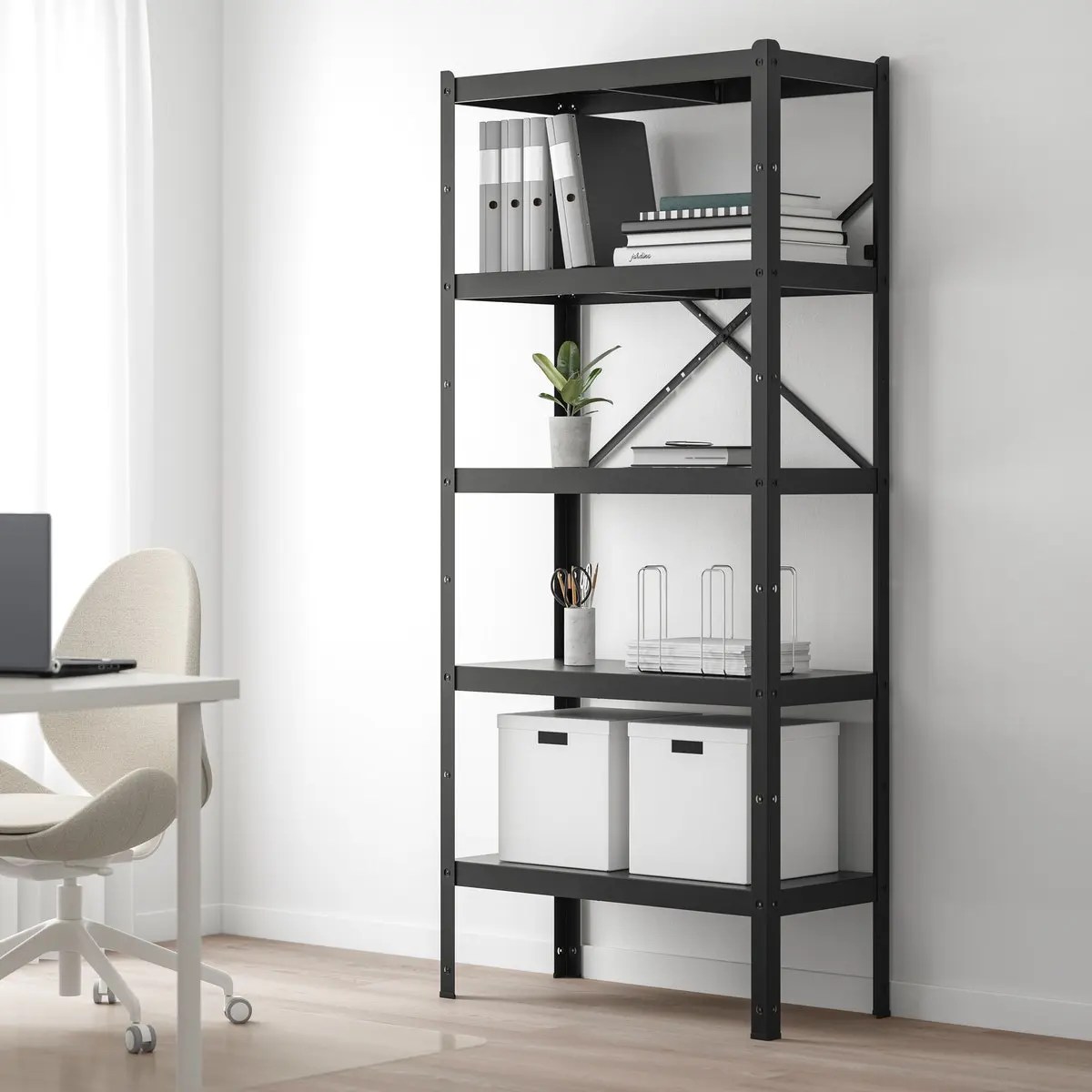
Craft dividers, more than just organizational tools, are strategic assets for optimizing craft workflows. Their targeted use can significantly enhance the efficiency and enjoyment of diverse craft endeavors, from intricate jewelry design to meticulous painting projects. By maximizing space and streamlining access to materials, these dividers unlock a higher degree of focus and creativity.Craft dividers offer a multitude of practical applications across various disciplines.
Their ability to segregate supplies allows for focused work environments, minimizing distractions and maximizing efficiency. The tailored organization they provide translates directly into improved project planning and execution, a key factor for success in any craft endeavor.
Painting Applications
Efficient management of painting supplies is critical for smooth workflow. Dividers can neatly organize brushes, paints, palettes, and various tools. This compartmentalization minimizes clutter and allows artists to locate specific items rapidly. Consequently, painting projects progress more efficiently, and the artist can concentrate on the creative process rather than searching for the right brush or shade. For instance, dividers can be used to create distinct sections for acrylics, oils, watercolors, and brushes, maintaining a dedicated space for each type of material.
Sewing Applications
Sewing, a craft demanding precise material management, greatly benefits from dividers. Threads, fabrics, buttons, zippers, and notions can be meticulously categorized and stored. The ability to quickly locate the precise shade of thread or a particular button minimizes wasted time, thereby enhancing project completion rates. Dividers can facilitate a more organized workspace, enabling the creation of designated areas for different sewing projects.
For instance, a dedicated area for quilting supplies and another for apparel design ensures smooth transitions between projects.
Jewelry Making Applications
Jewelry making, a craft that often involves numerous components, benefits significantly from dividers. Beads, findings, wire, and other materials can be categorized and stored, leading to quicker access and a more streamlined process. Dividers ensure that a specific project’s required components are readily available, enabling the artisan to focus on design and craftsmanship. Moreover, dividers can separate materials by size, color, or type, optimizing the creation of intricate and aesthetically pleasing jewelry pieces.
For instance, a divider can separate beads by color for easier color coordination in necklace designs.
Managing Large Quantities of Supplies
The organization afforded by craft dividers becomes particularly valuable when managing a substantial quantity of craft supplies. Dividers enable a systematic approach to storage, ensuring that every item has its designated location. This organization minimizes the time spent searching for materials and enhances the ability to track inventory, ensuring that materials are available when needed. For example, a large-scale jewelry making operation can effectively utilize dividers to maintain order in a substantial inventory.
Craft Type and Suitable Divider Options
| Craft Type | Suitable Divider Options |
|---|---|
| Painting | Adjustable dividers for brushes, palettes, and paint containers; labeled bins for different paint types. |
| Sewing | Fabric dividers, thread organizers, and labeled containers for notions and buttons; drawer dividers. |
| Jewelry Making | Compartments for beads, findings, and wire; labeled bins for specific types of beads or findings; clear containers for easy viewing. |
| Sculpting | Clear containers to hold different types of clay, sculpting tools, and supplies; designated spaces for different materials. |
| Calligraphy | Organized bins for nibs, inks, and papers; designated areas for different types of calligraphy pens and tools. |
Cost-Effectiveness and Value
Craft shelf dividers, while seemingly a small investment, can yield substantial long-term value. Their ability to maximize storage space and minimize clutter translates into increased efficiency and reduced waste, impacting both personal and professional craft projects. A well-chosen divider system can streamline workflows and prevent the frustration of lost supplies, ultimately saving time and money in the long run.
Pricing Variations Across Brands
The cost of shelf dividers varies significantly depending on the material, features, and brand. Budget-friendly options often utilize readily available materials like plastic or cardboard, while premium dividers might incorporate engineered wood, metal, or high-quality plastic components. These variations in materials directly impact the durability and aesthetic appeal of the divider, influencing their pricing structure. Furthermore, specialized dividers designed for specific craft types (like jewelry or painting supplies) often command a higher price point due to their unique design and functionality.
Relationship Between Cost and Quality
A clear correlation exists between the price and quality of shelf dividers. Investing in higher-quality dividers with robust construction and thoughtful design can lead to significant long-term savings. Durable dividers prevent frequent replacements, reducing the overall cost over time. Conversely, cheaply made dividers might need frequent repairs or replacements, negating any perceived initial savings.
Long-Term Value Proposition
The long-term value of investing in good-quality shelf dividers extends beyond the initial purchase price. Improved organization, reduced search time, and minimized waste all contribute to a more efficient workflow. This efficiency translates into reduced material waste, less time spent looking for supplies, and more focused creative sessions. A well-organized craft space promotes creativity and minimizes the risk of damaging or losing valuable tools and supplies.
This can be particularly crucial for professional crafters where lost or damaged supplies can lead to significant financial losses.
Reducing Waste and Improving Efficiency
Shelf dividers directly contribute to reduced waste and improved efficiency in craft spaces. By preventing supplies from mixing and tumbling, dividers minimize the risk of damage and loss. This, in turn, lowers the need to replace damaged or misplaced items, thus conserving materials and financial resources. The improved organization also enhances the efficiency of craft projects, enabling faster access to required materials and tools, leading to increased productivity and profitability for those in the craft industry.
Comparative Analysis of Divider Brands
| Brand | Material | Features | Approximate Price (USD) |
|---|---|---|---|
| CraftPro | High-density plastic | Adjustable dividers, multiple sizes, stackable | $25-$50 |
| Artisan’s Choice | Solid wood | Customizable compartments, elegant design, durable | $40-$80 |
| EasyStore | Recycled plastic | Modular design, environmentally friendly, budget-friendly | $15-$30 |
| Organized Crafts | Metal wire | Lightweight, versatile, good for lightweight supplies | $20-$45 |
This table provides a basic comparison of prices and features across various brands. Note that prices may vary based on specific product models, sizes, and retailer discounts. Consider the specific needs of your craft space when selecting a divider system. For instance, a high-quality, customizable system might be a better investment for a professional crafter who frequently needs to adapt their storage setup.
Maintenance and Durability
Proper maintenance is crucial for extending the lifespan of craft supply shelf dividers, ensuring their continued effectiveness in organizing your workspace. Neglecting care can lead to premature wear and tear, requiring replacements sooner than necessary, increasing overall costs. Implementing simple cleaning and preventative measures significantly improves the durability and longevity of your chosen dividers.Sustaining the quality and efficiency of shelf dividers hinges on understanding the materials used and applying appropriate care techniques.
Different materials react differently to cleaning agents and exposure to moisture, so tailored strategies are essential. This section Artikels essential maintenance procedures for various types of craft supply shelf dividers, helping you keep your organization system in peak condition.
Cleaning Methods for Different Materials
Understanding the composition of your shelf dividers is the first step in maintaining their quality. Plastic dividers, often favored for their affordability and ease of cleaning, typically respond well to mild detergents and water. Wood dividers, while offering a more aesthetic appeal, require more careful handling. Gentle wiping with a damp cloth and mild soap is sufficient for most wood types, while specialized wood cleaners may be needed for certain finishes.
Avoid harsh chemicals that could damage the finish or warp the wood.
Preventing Damage and Ensuring Durability
Protecting shelf dividers from damage is vital to maximizing their lifespan. Avoid placing heavy objects directly on the dividers, as this can cause warping or breakage. Securely mounting dividers to the shelves will prevent them from shifting or falling, minimizing the risk of accidents and damage. Regular inspections for signs of wear and tear, such as cracks or loosening, will help identify and address potential issues before they escalate.
Proper storage of dividers when not in use will also prevent accidental damage.
Troubleshooting Common Issues
Addressing minor issues promptly can prevent more significant problems. If a plastic divider becomes warped, try gently warming the affected area with a hairdryer on a low setting, then carefully reshaping it. For wood dividers, any minor cracks or splinters should be addressed immediately with wood filler or glue. For metal dividers, avoid abrasive cleaners that could damage the finish.
Contact the manufacturer for specific cleaning recommendations if you are unsure.
Recommended Cleaning Procedures
| Divider Type | Recommended Cleaning Procedure |
|---|---|
| Plastic | Wipe with a damp cloth and mild soap. Rinse thoroughly and dry completely. Avoid harsh chemicals. |
| Wood | Wipe with a damp cloth and mild soap. Dry immediately. For specific finishes, consult manufacturer recommendations. |
| Metal | Wipe with a damp cloth and mild soap. Avoid abrasive cleaners. Dry thoroughly. |
| Fabric-covered | Spot clean with a damp cloth and mild soap. Do not submerge. Allow to air dry completely. |
Creative Display and Aesthetic Appeal
Beyond their functional role, strategically placed shelf dividers can significantly elevate the aesthetic appeal of a craft space. A well-organized craft area, where supplies are easily accessible and visually pleasing, fosters creativity and inspiration. The right dividers can transform a utilitarian storage solution into a captivating display, adding a touch of artistry to the entire workspace.Clever use of shelf dividers can transform a storage solution into a visually engaging display, fostering a more creative and inspiring environment.
This approach not only maximizes storage capacity but also enhances the overall aesthetic of the craft area, making it a more welcoming and inspiring space.
Visual Appeal Through Layering
Proper layering of craft supplies, with dividers strategically positioned, can create depth and visual interest on shelves. Consider varying heights and widths of dividers to achieve a dynamic arrangement. Grouping similar items together, such as paintbrushes, yarn balls, or beads, can also create cohesive visual clusters, drawing the eye and emphasizing the beauty of the individual items.
Decorative Elements and Color Coordination
Dividers can be more than just functional; they can become decorative elements. Choose dividers in colors that complement the existing color scheme of the craft space or introduce a pop of color to draw attention to specific areas. Using decorative accents, such as patterned dividers, or adding small, themed artwork or figurines behind or beside the dividers can further elevate the visual appeal.
The goal is to blend functionality with artistic expression.
Customizable Displays
The versatility of dividers allows for highly customizable displays. Using different materials and styles of dividers, such as wood, metal, or glass, can create a cohesive look that reflects the specific style of the craft area. Experiment with different configurations, considering the height, width, and placement of dividers to achieve a truly unique and personalized display. This adaptability allows the craft area to evolve with the owner’s changing tastes and interests.
Sample Divider Layouts and Aesthetic Impact
| Divider Layout | Aesthetic Impact |
|---|---|
| Stacked and Segmented: Tall dividers are used to create distinct sections, while shorter dividers divide items within each section. | Creates a structured and organized look. Emphasizes the variety of items. |
| Layered and Cascading: Dividers of varying heights and widths are used to create a visually appealing, layered effect. | Adds a sense of depth and visual interest. The cascading effect draws the eye across the entire shelf. |
| Color-Coordinated: Dividers are chosen to match the colors of specific craft supplies, creating a cohesive and harmonious display. | Creates a polished, unified aesthetic. Emphasizes the connection between the dividers and the stored items. |
| Themed: Dividers are selected to match a specific theme, such as a nautical theme, a vintage theme, or a botanical theme. | Adds a personal touch and a unique identity to the craft space. The visual continuity enhances the overall theme. |
Final Summary
In conclusion, shelf dividers for craft supplies offer a powerful combination of organization, efficiency, and aesthetic appeal. Choosing the right materials, styles, and organization strategies can dramatically improve workflow, reduce wasted time, and inspire greater creativity. Investing in high-quality dividers is a smart investment that yields long-term benefits for crafters of all levels.