
Japanese porcelain dinnerware transcends mere tableware; it embodies centuries of artistry, cultural significance, and meticulous craftsmanship. From the intricate patterns of Imari to the understated elegance of Raku, each piece tells a story, reflecting the evolving aesthetic sensibilities of Japan. This exploration delves into the rich history, diverse styles, and enduring appeal of this captivating tradition.
This detailed overview examines the historical evolution of Japanese porcelain dinnerware, tracing its development from ancient techniques to contemporary applications. It considers the cultural context, design elements, and practical aspects of collecting and maintaining these exquisite pieces.
Historical Context
Japanese porcelain dinnerware, a testament to centuries of artistic innovation and cultural exchange, boasts a rich history deeply intertwined with the nation’s aesthetic sensibilities and evolving social norms. From the subtle elegance of early pieces to the bold designs of later eras, the development of Japanese porcelain reflects the dynamic interplay of indigenous traditions and influences from across the globe.
This journey of artistic evolution is mirrored in the changing social and economic landscapes of Japan itself.The production of Japanese porcelain dinnerware wasn’t solely about aesthetics; it was also deeply rooted in practical needs and societal structures. Early forms served as vessels for everyday meals, reflecting the practical demands of life. Later, as wealth and status became more prominent factors, porcelain became a symbol of affluence and taste, showcasing the evolving standards of society.
Early Periods and Techniques
The earliest forms of Japanese porcelain, while not entirely porcelain in the Western sense, demonstrated a mastery of ceramic techniques. These early wares, often showcasing simple shapes and muted glazes, were heavily influenced by Chinese styles. The introduction of Chinese techniques and knowledge played a crucial role in the early development of Japanese ceramics. The Chinese export wares and knowledge of techniques like porcelain-making gradually influenced Japanese artisans, allowing for the evolution of their own distinct styles.
Evolution of Materials and Techniques
The evolution of techniques in Japanese porcelain dinnerware mirrored the broader advancements in ceramic technology across Asia. Early examples often relied on techniques similar to stoneware, demonstrating the gradual refinement of the materials and techniques involved in porcelain creation. Later periods saw an increasing sophistication in the glazing process, resulting in a wide range of colours and textures.
Innovations in kiln technology allowed for more intricate designs and greater control over the firing process. A notable development was the mastery of techniques like underglaze painting, enabling intricate patterns and embellishments.
Cultural Influences
Japanese porcelain dinnerware, throughout its history, has been significantly influenced by the broader cultural exchange that shaped Japan. Early interactions with Chinese ceramics led to the adoption of techniques and stylistic elements. Later, during periods of increased trade and contact with Europe, subtle influences from European design and motifs became evident. These influences were not simply absorbed; they were often adapted and reinterpreted through a uniquely Japanese lens, creating a rich tapestry of cultural fusion.
Social and Cultural Significance
Japanese porcelain dinnerware served various social and cultural functions throughout history. In the early periods, these items were primarily utilitarian, reflecting the everyday needs of the populace. Later, as the status of porcelain increased, these pieces became associated with refined taste and prosperity. The craftsmanship and aesthetic value of Japanese porcelain often became a reflection of the social status of the owner.
Different forms and styles often corresponded to specific social functions or were associated with specific social events or hierarchies.
Timeline of Important Developments
| Period | Key Developments |
|---|---|
| Asuka Period (538-710 CE) | Early ceramic production, influenced by Korean and Chinese styles. |
| Heian Period (794-1185 CE) | Continued development of ceramic techniques, growing sophistication in design. |
| Kamakura Period (1185-1333 CE) | Increased emphasis on practicality, with a shift towards more functional designs. |
| Muromachi Period (1336-1573 CE) | Development of distinctive Japanese styles in ceramics, incorporating local influences. |
| Edo Period (1603-1868 CE) | Rise of high-quality porcelain production, incorporating Chinese and European influences. |
| Meiji Period (1868-1912 CE) | Further development of techniques and styles, adapting to a rapidly modernizing Japan. |
Types and Styles
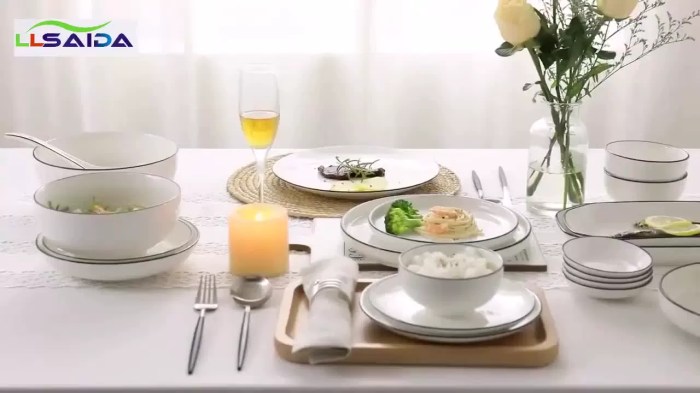
Japanese porcelain dinnerware, a rich tapestry of artistry and tradition, boasts a diverse range of types and styles, each reflecting unique aesthetic sensibilities and historical influences. From exquisite tea sets to intricate decorative pieces, this ceramic legacy embodies a deep connection to cultural heritage. These diverse forms have found their way into homes and collections globally, showcasing the enduring appeal of Japanese craftsmanship.Japanese porcelain encompasses a wide array of forms, extending beyond the familiar dinnerware sets.
The styles are characterized by distinct glaze colors, patterns, and forms, each with its own story to tell. These aesthetic elements, combined with the high quality of the materials, contribute to the enduring allure of Japanese porcelain.
Types of Japanese Porcelain Dinnerware
Japanese porcelain encompasses a wide range of items beyond the standard dinnerware. This includes, but is not limited to, tea sets, tableware (plates, bowls, cups), and decorative pieces. The variety is indicative of the broad artistic spectrum encompassed by this craft.
Styles of Japanese Porcelain Dinnerware
Japanese porcelain is celebrated for its distinctive styles, each with its own unique characteristics. The most prominent styles include Imari, Kutani, and Raku, each showcasing specific techniques and aesthetic expressions.
Imari Porcelain
Imari porcelain is known for its vibrant cobalt blue and gold patterns on a white background. The style frequently features depictions of flowers, birds, and landscapes, reflecting the rich cultural heritage of Japan. The characteristic glazes and intricate designs give Imari porcelain a striking and decorative appeal. The strong colors and detailed patterns create a visually engaging aesthetic.
Kutani Porcelain
Kutani porcelain is recognized for its intricate multicolored designs, often incorporating a range of vibrant colors. The patterns typically depict scenes of nature, mythology, and daily life, reflecting the artistic sensibilities of the time. Its rich and varied glaze colors, from deep blues and greens to fiery reds and oranges, contribute to the striking visual appeal of Kutani pieces.
This style is particularly notable for its decorative nature.
Raku Porcelain
Raku porcelain stands out for its distinctive, slightly imperfect, and textured surface. The style’s unique character is achieved through the use of a low-firing process, which results in an uneven glaze and a slightly rough texture. The raw, organic quality of Raku porcelain contrasts with the more meticulously finished styles of Imari and Kutani. This style embraces an unrefined aesthetic.
Comparison Table of Japanese Porcelain Styles
| Style | Glaze Colors | Patterns/Motifs | Forms | Image Description |
|---|---|---|---|---|
| Imari | Cobalt blue, gold, and occasionally other colors on white | Flowers, birds, landscapes, geometric patterns | Plates, bowls, tea sets, decorative vases | A set of Imari dinnerware, showcasing plates with vibrant cobalt blue and gold patterns on a white background. The designs feature stylized flowers and birds, arranged in intricate patterns. |
| Kutani | Multicolored, including reds, oranges, blues, greens | Nature scenes, mythological figures, daily life | Plates, bowls, tea sets, decorative figures | A Kutani plate featuring a vibrant scene of a landscape, with a variety of flowers and trees rendered in bold, multicolored glazes. |
| Raku | Various, often muted, with a slightly uneven application | Minimalist, often organic shapes and textures | Teacups, bowls, plates, decorative pieces | A Raku teacup with an irregular surface, showcasing the textured glaze characteristic of the style. The colors may be muted or dark, emphasizing the unique aesthetic of the low-firing process. |
Significance of Patterns and Motifs
The patterns and motifs found on Japanese porcelain dinnerware often hold deep cultural and historical significance. These designs reflect the aesthetics, traditions, and values of the period in which they were created. For example, the use of specific flowers or animals may have particular meanings within Japanese culture, conveying symbolic messages. The intricate designs, when viewed within their cultural context, become more than mere decorative elements; they are narratives.
Materials and Techniques
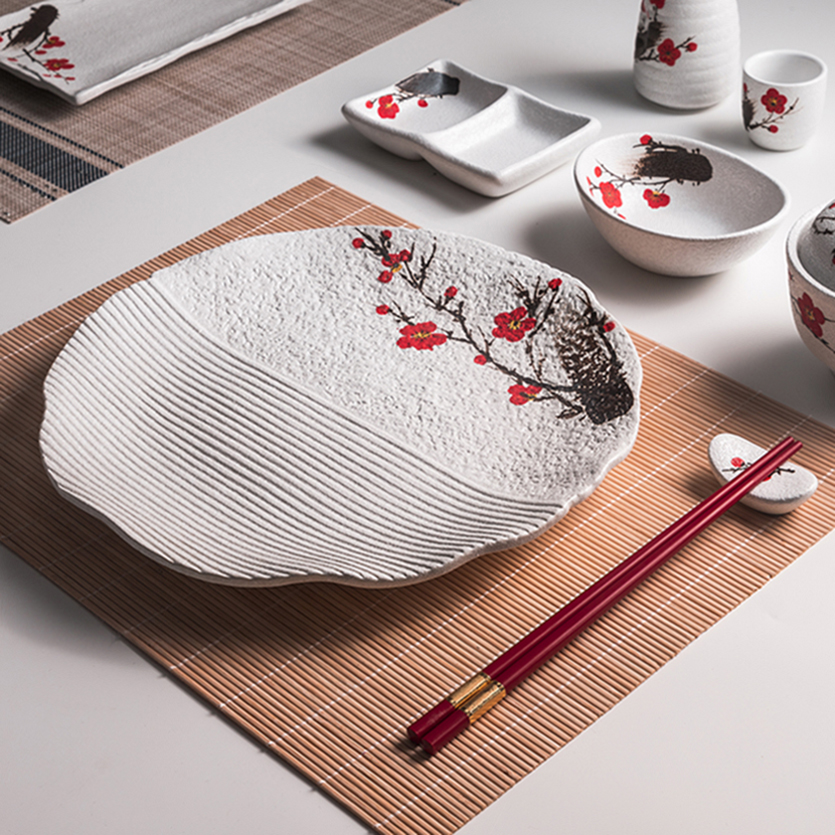
Japanese porcelain dinnerware, renowned for its exquisite aesthetic and enduring quality, owes its allure to a unique blend of materials and techniques. These time-honored methods, passed down through generations of artisans, contribute significantly to the distinctive character and enduring appeal of Japanese porcelain. The meticulous attention to detail in each stage of production, from clay selection to final glazing, underscores the commitment to excellence that defines this craft.The crafting of Japanese porcelain involves a sophisticated understanding of materials and techniques, resulting in a final product that seamlessly blends tradition with innovation.
The quality of the clay, the application of glazes, and the intricate painting techniques all contribute to the distinctive aesthetic of Japanese porcelain. These factors elevate the pieces beyond mere utilitarian objects, transforming them into works of art.
Clay Types
The selection of clay is critical in achieving the desired properties of the finished porcelain. Different clay types impart unique characteristics to the resulting product. High-quality kaolin, a fine white clay, provides the essential purity and translucency. The addition of other clays, such as petuntse, a type of feldspar, and china clay, creates the necessary balance for strength, durability, and a beautiful finish.
The specific blend of these components contributes to the overall aesthetic appeal and functional properties of the finished product.
Glazes
The application of glazes is a crucial step in the process. Traditional Japanese porcelain often features translucent glazes, allowing the delicate beauty of the underlying porcelain to shine through. The color and texture of the glaze are meticulously controlled, contributing to the overall aesthetic appeal. The use of natural pigments and carefully calibrated firing temperatures ensures a consistent and appealing finish.
The glaze serves to protect the porcelain from wear and tear, enhancing its longevity.
Painting Techniques
The intricate painting techniques used on Japanese porcelain often involve meticulous detail and exquisite artistry. These techniques range from delicate brushstrokes to the use of stencils and molds. The selection of paints and their application are crucial to the final product’s aesthetic. The artist’s skill and creativity are paramount in creating unique and captivating designs. Traditional motifs, such as flowers, landscapes, and animals, are frequently depicted.
The artist’s hand and eye are critical in ensuring the painting perfectly complements the porcelain’s form and glaze.
Crafting Techniques
The production of Japanese porcelain involves a complex interplay of craftsmanship and artistry. The techniques for shaping, carving, and decorating the porcelain are crucial in achieving the desired aesthetic. The precise shaping of the clay is often done using traditional methods like hand-building and wheel throwing. Careful attention to detail during the various stages of production is vital to the end result.
The skilled hands of the artisans shape, carve, and decorate the porcelain. Each step, from initial shaping to the final glazing, contributes to the unique character of the finished product.
Table: Materials and Techniques
| Material | Description | Technique | Description | Image Description |
|---|---|---|---|---|
| Kaolin | Fine white clay, providing translucency | Hand-building | Shaping the clay by hand | A close-up image of a lump of pure white kaolin clay, showcasing its smooth texture and fine grain. |
| Petuntse | Feldspar, enhancing strength and durability | Wheel throwing | Shaping the clay on a potter’s wheel | A photo of a potter skillfully using a potter’s wheel to shape a porcelain piece, demonstrating precision and control. |
| Glaze | Translucent glaze, allowing underlying porcelain to show | Painting | Applying intricate designs using brushes | A detailed image of a porcelain piece adorned with delicate floral patterns painted using fine brushstrokes, highlighting the artist’s precision. |
Distinguishing Characteristics
Japanese porcelain dinnerware exhibits several distinct characteristics that differentiate it from other types of porcelain. The combination of exquisite craftsmanship, the use of high-quality materials, and traditional techniques results in a product that transcends mere utility. The enduring appeal of these pieces lies in their ability to combine artistry with functionality. The careful attention to detail in each piece sets it apart.
The focus on delicate aesthetics and intricate designs makes Japanese porcelain a true expression of artistry.
Design Elements
Japanese porcelain dinnerware, renowned for its aesthetic appeal and craftsmanship, boasts a rich tapestry of design elements deeply rooted in Japanese aesthetics. The choice of motifs, patterns, and colors often speaks volumes about the era of production and the intended function. Beyond mere decoration, these elements embody a philosophy of harmony with nature and a celebration of simplicity.Japanese aesthetics profoundly influence the design of porcelain dinnerware, imbuing it with a unique character.
The concept of wabi-sabi, with its emphasis on the beauty of imperfection, natural asymmetry, and the transience of life, permeates the designs, often seen in subtly irregular shapes, muted colors, and understated patterns. This focus on natural beauty contrasts sharply with the often ornate designs found in other cultures.
Common Motifs and Patterns
Japanese porcelain dinnerware frequently features motifs inspired by nature. Blooming flowers, delicate bamboo shoots, and graceful cherry blossoms are recurring themes. Geometric patterns, often inspired by traditional Japanese textile designs, also appear, showcasing a blend of sophistication and artistry. The use of subtle gradients and nuanced color palettes contributes to the overall aesthetic, adding depth and dimension to the pieces.
Influence of Wabi-Sabi
The aesthetic of wabi-sabi, emphasizing the beauty of imperfection and the acceptance of impermanence, significantly shapes Japanese porcelain design. This is reflected in the subtle variations in glaze, the slightly uneven surfaces, and the restrained use of color. These imperfections are not viewed as flaws, but as integral parts of the piece’s character, evoking a sense of tranquility and natural elegance.
Famous Designs and Historical Context
Several famous Japanese porcelain dinnerware designs reflect specific historical periods and artistic movements. For instance, designs from the Edo period (1603-1868) often feature intricate depictions of landscapes, reflecting the era’s fascination with nature and artistry. Later designs, particularly those from the Meiji and Taisho periods, often incorporated Western influences, leading to a fusion of traditional and modern aesthetics.
This fusion is evident in the use of more vibrant colors and Western-inspired motifs alongside traditional Japanese patterns.
A Table of Design Elements
| Style | Motifs/Patterns | Colors | Wabi-Sabi Influence | Historical Context | Image Description |
|---|---|---|---|---|---|
| Edo Period | Landscapes, flora, fauna | Earthy tones, muted colors | Subtle variations in glaze | 1603-1868; Emphasis on nature and artistry | A plate showcasing a stylized landscape scene with various plants and animals in muted earth tones, featuring slight variations in the glaze, suggesting natural unevenness. |
| Meiji/Taisho Period | Floral designs, geometric patterns, Western-inspired motifs | Vibrant colors, more pronounced use of glaze | Subtle unevenness in glaze, understated patterns | Late 19th-early 20th century; Fusion of traditional and modern aesthetics | A teacup and saucer set with a floral design, featuring a more vibrant color palette, with subtle unevenness in the glaze, suggesting the influence of Western styles. |
| Modern Japanese Porcelain | Abstract patterns, contemporary designs, minimalist motifs | A wide range of colors and glaze variations | Impermanence and simplicity | Late 20th-21st century; Emphasizing clean lines and understated designs. | A dinner plate with an abstract design, showcasing a modern interpretation of Japanese aesthetics, using a mix of colors and subtle variations in the glaze. |
Comparison to Other Cultural Traditions
Japanese porcelain dinnerware often contrasts with other cultural traditions, particularly those emphasizing elaborate decoration and ornate patterns. While some Western traditions focus on grand designs, Japanese porcelain frequently favors subtle elegance and understated beauty. The emphasis on natural motifs and wabi-sabi aesthetics distinguishes Japanese porcelain from other cultural traditions, creating a unique visual language that reflects a deeper appreciation for nature and the inherent beauty of simplicity.
Cultural Significance
Japanese porcelain dinnerware, far from being mere tableware, embodies deep cultural significance, reflecting centuries of aesthetic refinement and social etiquette. Its presence in Japanese homes and cultural events speaks volumes about the nation’s artistic traditions, philosophical values, and evolving social structures. From the delicate artistry to the meticulously crafted forms, these pieces offer a tangible connection to Japan’s rich past and enduring heritage.Japanese porcelain dinnerware is not simply functional; it’s an integral part of the cultural narrative.
Its design, often imbued with symbolism and historical references, embodies Japanese values of harmony, balance, and respect for tradition. The meticulous attention to detail, evident in both the intricate patterns and the subtle glazes, reflects a deep appreciation for craftsmanship and aesthetics that extends beyond the dinner table. Furthermore, the act of using and owning these pieces fosters a sense of connection to one’s cultural heritage and community.
Role in Japanese Culture and Traditions
Japanese porcelain dinnerware plays a vital role in both formal and informal gatherings. For centuries, the artistry of creating these pieces has been deeply intertwined with Japanese aesthetics, philosophy, and artistic movements. From the elaborate tea ceremonies to the more casual family meals, the presence of carefully chosen dinnerware sets the stage for a respectful and harmonious atmosphere.
The selection of specific patterns or styles can communicate the occasion’s formality and the host’s respect for their guests.
Reflection of Japanese Values and Beliefs
The design elements of Japanese porcelain dinnerware frequently reflect key Japanese values. The use of natural motifs, such as flowers, leaves, or landscapes, embodies the appreciation for nature and the connection between the human world and the natural environment. Symmetry and balance, prevalent in many designs, mirror the Japanese concept of “wa,” or harmony. The delicate craftsmanship, a hallmark of Japanese artistry, underscores the emphasis on precision and meticulous attention to detail.
Furthermore, the use of muted colours and subtle patterns often evokes a sense of serenity and tranquility.
Social and Cultural Significance of Ownership
Owning Japanese porcelain dinnerware transcends mere practicality; it signifies a connection to cultural heritage and social standing. The acquisition of these pieces can be a form of cultural appreciation and a testament to one’s interest in Japanese aesthetics. The careful selection of dinnerware can reflect a refined taste and understanding of the cultural nuances of the Japanese aesthetic.
The act of using these pieces during family gatherings or special occasions strengthens the sense of community and tradition.
Connection to Japanese Art History
Japanese porcelain dinnerware showcases a direct lineage to Japan’s rich artistic history. The designs often draw inspiration from established artistic movements, including the aesthetic sensibilities of the Edo period or the elegance of the Meiji era. The craftsmanship itself reflects the evolution of Japanese artistic techniques, demonstrating the continuity of tradition and innovation. Many pieces display recognizable stylistic features and thematic elements found in Japanese painting, calligraphy, and other artistic mediums.
These connections provide a tangible link between contemporary objects and the nation’s artistic heritage.
Cultural Significance Table
| Category | Description | Image Description |
|---|---|---|
| Formal Gatherings | Used in formal events, like weddings or tea ceremonies, the choice of porcelain dinnerware reflects the formality of the occasion and the host’s respect for their guests. | An image of a meticulously arranged table setting for a formal dinner, featuring intricately designed porcelain plates and bowls, likely reflecting a traditional Japanese style. |
| Family Meals | Even casual family meals can be elevated with the use of beautiful porcelain dinnerware. The selection of the dinnerware contributes to the warmth and harmony of the occasion. | A family seated around a table, enjoying a meal together, with simple yet elegant porcelain plates and bowls in a warm colour palette. |
| Cultural Heritage | Owning Japanese porcelain dinnerware is a way to appreciate and connect with the nation’s rich cultural heritage. The act of using these pieces is a form of cultural expression. | A close-up image of a detailed porcelain piece, such as a plate or bowl, featuring traditional Japanese motifs like cherry blossoms or bamboo. |
Contemporary Trends
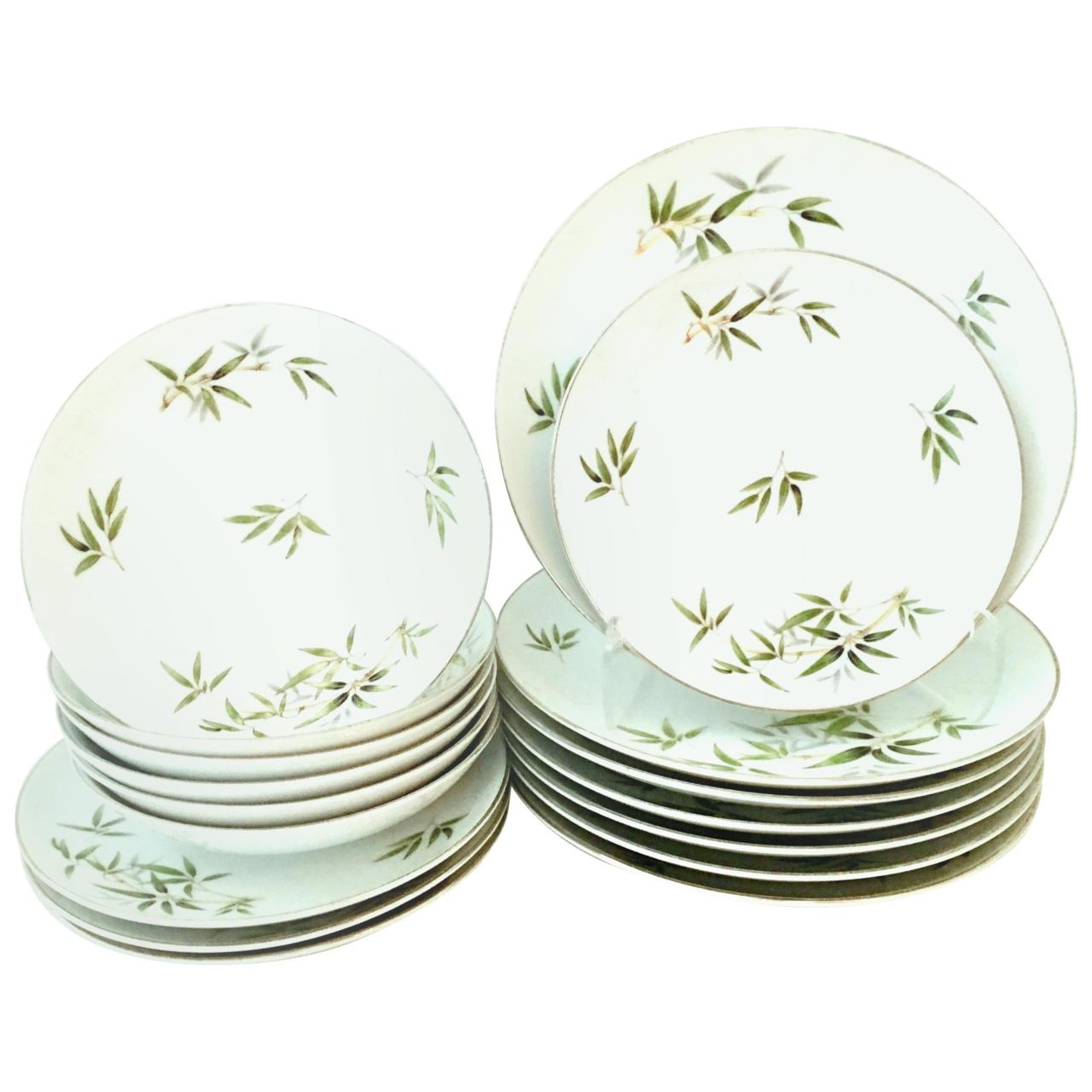
Japanese porcelain dinnerware, a legacy steeped in tradition, is undergoing a fascinating evolution in the contemporary design landscape. Modern aesthetics are injecting fresh vigor into this time-honored craft, leading to a resurgence of interest and innovative interpretations. This transformation reflects a growing desire for both functional beauty and culturally resonant pieces that seamlessly integrate with contemporary lifestyles.
Modern Aesthetics in Japanese Porcelain
Contemporary designers are drawing inspiration from the core principles of Japanese aesthetics, like minimalism, natural forms, and understated elegance. This approach often manifests in sleek, geometric shapes and muted color palettes, echoing the serene beauty of traditional Japanese gardens. However, modern designers are also pushing boundaries, exploring innovative glaze techniques and unconventional materials to create pieces that feel both timeless and cutting-edge.
Influence of Modern Design Trends
Modern design trends are impacting Japanese porcelain dinnerware in significant ways. The emphasis on clean lines and minimalist forms is evident in contemporary pieces, where functional efficiency is seamlessly blended with aesthetic appeal. Furthermore, the growing interest in sustainable practices is driving a movement toward eco-friendly materials and production methods within the industry. These factors are shaping the evolution of Japanese porcelain dinnerware into a modern, sophisticated, and environmentally conscious art form.
Contemporary Design Examples
Numerous contemporary designers are producing exceptional pieces that honor the heritage of Japanese porcelain while incorporating modern sensibilities. One example is the use of intricate, yet subtle, relief patterns inspired by traditional Japanese woodblock prints, seamlessly integrated into minimalist dinnerware sets. Another notable trend involves the use of contrasting textures, like the interplay of smooth porcelain with subtly textured glazes, creating visual interest and tactile appeal.
The combination of modern technology with traditional craftsmanship, such as 3D printing for intricate patterns on a porcelain surface, demonstrates a remarkable fusion of the old and new.
Relationship with Modern Lifestyle
Japanese porcelain dinnerware is finding a significant place in contemporary lifestyles, often reflecting a desire for quality, craftsmanship, and aesthetic appeal. In homes that embrace minimalism, these pieces can serve as subtle yet impactful accents, complementing the overall design scheme. Furthermore, the growing trend toward mindful consumption and appreciation of artisanal goods is propelling the demand for well-crafted Japanese porcelain dinnerware, particularly in urban settings where a desire for aesthetically pleasing and functional dining experiences is prominent.
The focus on sustainability and ethically sourced materials is another critical factor in this relationship, as consumers seek products aligned with their values.
Collecting and Appreciation
Japanese porcelain dinnerware, a legacy of artistry and craftsmanship, holds significant appeal for collectors and connoisseurs. Its beauty, often intricately detailed and imbued with cultural significance, transcends mere utility, making it a valuable investment and a source of enduring aesthetic pleasure. Understanding the nuances of collecting, authentication, and proper care is crucial for maximizing the enjoyment and potential value of these exquisite pieces.
Identifying Authentic Japanese Porcelain
Authenticity is paramount in collecting Japanese porcelain. Visual examination, particularly of the glaze, firing marks, and decorative motifs, is crucial. Careful observation for inconsistencies or signs of restoration is key. Experienced collectors often employ specialist knowledge to differentiate between genuine pieces and reproductions. A thorough examination by a qualified expert, including the provenance history, is often necessary for complete assurance.
Provenance: Unveiling the History
Provenance, the documented history of an object’s ownership, significantly impacts its value and desirability. Records of past owners, exhibitions, and historical context add layers of meaning and significance. A robust provenance often reveals the piece’s journey through time, highlighting its importance in various cultural and historical settings. This historical context, verified by reputable institutions, elevates the piece’s value beyond its aesthetic appeal.
Investment Potential: An Informed Approach
The investment potential of Japanese porcelain dinnerware varies considerably depending on factors like rarity, quality, and provenance. Pieces from renowned artists or important periods command higher prices. Market trends and demand for specific styles also play a role. Thorough research and consultation with experts can provide guidance on potential returns and risks. For example, a rare Meiji-era set with exceptional provenance could appreciate significantly over time.
However, acquiring such pieces often requires a substantial initial investment.
Care and Maintenance: Preserving the Legacy
Proper care is essential for preserving the beauty and longevity of Japanese porcelain. Handling with care, avoiding abrasive cleaners, and storing in a climate-controlled environment minimize potential damage. Frequent cleaning with soft cloths and gentle solutions is recommended. Professional cleaning by specialists may be necessary for more intricate or delicate pieces. Maintaining records of care and handling can contribute to the long-term preservation of the piece.
Sourcing and Availability
Japanese porcelain dinnerware, a testament to centuries of craftsmanship, commands a devoted following among collectors and connoisseurs. Its exquisite artistry and enduring quality contribute to its allure, but navigating the market for these pieces requires understanding the complexities of sourcing and availability. Finding authentic pieces and assessing their value can be challenging, demanding knowledge of various factors that impact pricing.Navigating the landscape of Japanese porcelain dinnerware involves understanding the different avenues for acquisition, from established retailers to specialized online marketplaces.
Factors like the piece’s age, condition, maker, and design all play a role in determining its market value. The diverse range of pricing and quality across these sources reflects the nuances of the market.
Marketplaces for Japanese Porcelain
A multitude of channels cater to the demand for Japanese porcelain dinnerware. Understanding these channels is crucial for informed purchasing decisions.
- Specialty Retailers: Dedicated shops, often specializing in antique or Asian art, frequently stock Japanese porcelain dinnerware. These retailers often provide expert appraisals and guidance, offering a more personalized experience but typically command higher prices compared to online marketplaces. Their selection is typically curated, reflecting their focus on quality and authenticity.
- Online Marketplaces: E-commerce platforms like eBay, Etsy, and dedicated online auction sites offer a broader selection of Japanese porcelain. This accessibility allows for broader price comparisons but requires buyers to be vigilant about authenticity and condition. Reviews and seller feedback can be valuable tools for assessing the reliability of an online source.
- Auction Houses: Prestigious auction houses, both online and in-person, feature Japanese porcelain dinnerware in their auctions. These events offer opportunities to acquire rare or highly sought-after pieces, but prices are often significantly higher due to the competitive bidding environment. Expert authentication and appraisals are usually provided, lending credibility to the auction process.
- Direct from Manufacturers (or their Representatives): In some cases, particularly for contemporary pieces, it’s possible to acquire Japanese porcelain directly from the manufacturer or authorized representatives. This route offers a more transparent approach, enabling buyers to confirm the authenticity of the product and often potentially receive a better price than through a third-party retailer.
Factors Influencing Price
Several factors significantly impact the price of Japanese porcelain dinnerware.
- Rarity and Condition: A piece’s rarity, particularly antique or vintage pieces, dramatically affects its price. Pieces in excellent condition, free from damage or restoration, typically command higher prices. The aesthetic appeal of the piece also factors in, with pristine condition generally commanding a premium.
- Maker and Design: Porcelain from renowned Japanese makers, especially those known for their intricate designs and unique aesthetic, commands higher prices. The complexity and originality of the design often contribute to the value.
- Era and Style: The era in which the piece was produced, reflecting evolving design trends, can impact its value. Certain styles and patterns from specific periods might be more sought after by collectors, influencing the price.
- Market Demand: The overall demand for Japanese porcelain dinnerware in the current market can fluctuate, affecting its price. Increased collector interest and demand can lead to higher prices, whereas decreased interest can lower them.
Comparison of Sources
Comparing prices and quality across different sources is essential for informed purchasing.
| Source | Typical Price Range | Quality Considerations |
|---|---|---|
| Specialty Retailers | Higher | Higher quality, often with expert authentication and personalized service |
| Online Marketplaces | Variable | Potential for misrepresentation; require due diligence regarding authenticity and condition |
| Auction Houses | High | Auction bidding; higher likelihood of acquiring rare or sought-after pieces |
| Direct from Manufacturer | Variable | Potentially more transparent and possibly lower pricing; direct access to information on the manufacturing process |
Maintenance and Care
Japanese porcelain dinnerware, prized for its exquisite craftsmanship and delicate beauty, requires meticulous care to preserve its pristine condition. Proper cleaning and storage methods are essential to prevent damage and maintain the longevity of these treasured pieces. Neglect can lead to discoloration, chipping, or even irreparable damage, significantly diminishing the value and aesthetic appeal of the collection.Maintaining the integrity of Japanese porcelain hinges on understanding its composition and the potential risks associated with improper handling.
Avoiding harsh chemicals and abrasive materials is paramount. The delicate glazes and intricate designs of these pieces are susceptible to scratching and damage from rough scrubbing or inappropriate cleaning solutions. Careful consideration of cleaning methods and storage practices is crucial to preserving these heirlooms for future generations.
Cleaning Methods
Proper cleaning techniques are crucial for maintaining the beauty and integrity of Japanese porcelain. A gentle approach is always recommended, minimizing the risk of scratching or dulling the glaze. Using mild dish soap and warm water is typically sufficient for everyday cleaning. Avoid harsh scouring pads, abrasive sponges, or metal scouring tools, as these can scratch the surface and damage the delicate glaze.
Cleaning Different Types
| Porcelain Type | Cleaning Method | Image Description |
|---|---|---|
| Glazed Porcelain | Use a soft sponge or cloth moistened with warm soapy water. Rinse thoroughly and dry immediately with a soft cloth. | An image showcasing a soft, white sponge gently wiping a piece of glazed porcelain dinnerware. The glaze appears smooth and glossy. |
| Un-glazed Porcelain | Use a soft, lint-free cloth moistened with a mild, non-abrasive cleaner. Rinse thoroughly and dry immediately with a soft, clean cloth. | An image depicting a delicate, lint-free cloth being used to clean an un-glazed porcelain piece. The porcelain is a pale cream color, showcasing a natural, matte finish. |
| Porcelain with intricate details | Use a soft-bristled brush or cotton swab moistened with warm soapy water to clean intricate carvings and embellishments. Rinse thoroughly and dry immediately. | An image showing a fine-bristled brush delicately cleaning a small, intricate floral carving on a piece of porcelain. The focus is on the precision and care taken. |
Storage Practices
Proper storage is essential for protecting delicate Japanese porcelain from damage. Avoid stacking pieces on top of each other, as this can cause chips or cracks. Store each piece individually in a protective container, like a padded box or specialized display case. Use acid-free tissue paper or felt to separate the pieces to prevent scratches and minimize friction.
Store the collection in a cool, dry, and dust-free environment to prevent discoloration or damage.
Avoiding Damage
Improper handling or cleaning can lead to various forms of damage. Scratching, chipping, and discoloration are common results of using harsh chemicals or abrasive materials. Improper storage can also lead to significant damage, such as cracking from stacking or breakage from dropping. These issues can substantially reduce the value and aesthetic appeal of the collection. Therefore, careful attention to detail in cleaning and storage is crucial to preserving the beauty and longevity of Japanese porcelain.
Modern Applications
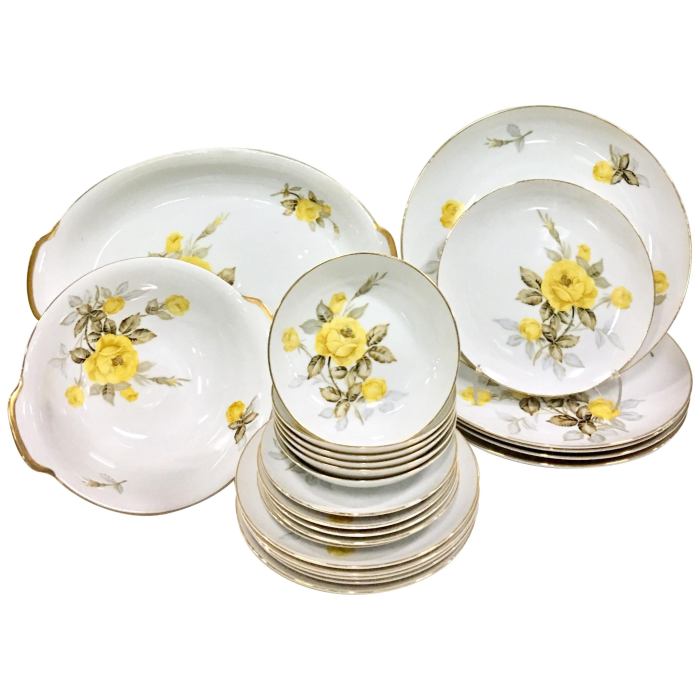
Japanese porcelain dinnerware, with its rich history and aesthetic appeal, continues to find a prominent place in modern settings. From upscale restaurants to sophisticated homes, the timeless elegance and craftsmanship of this tradition remain highly sought after, reflecting a desire for quality and enduring style. The adaptability of Japanese porcelain allows for seamless integration into contemporary design schemes, proving its versatility across diverse contexts.Japanese porcelain’s enduring appeal stems from its combination of exquisite craftsmanship, refined aesthetic, and adaptability to various modern settings.
Its subtle beauty complements both minimalist and elaborate interiors, making it a valuable asset in a wide range of modern design projects.
Restaurant Applications
Japanese porcelain dinnerware frequently graces the tables of high-end restaurants, contributing to the overall ambiance and experience. Its meticulous design and quality materials enhance the presentation of fine dining, often paired with contemporary culinary trends. This pairing creates a harmonious experience for the diner, emphasizing both the food and the presentation. For instance, a restaurant specializing in modern Japanese cuisine might use a delicate, white porcelain set with subtle, hand-painted patterns to accentuate the dish’s presentation.
Home Decor Integration
The adaptability of Japanese porcelain extends beyond the dining table. Its exquisite craftsmanship and subtle aesthetic appeal allow for seamless integration into various home décor styles. From minimalist apartments to grand estates, the enduring elegance of Japanese porcelain complements diverse interior design preferences. A modern home with a Scandinavian aesthetic, for example, might feature a minimalist porcelain set in a neutral tone, enhancing the overall simplicity and sophistication of the space.
Similarly, a more traditional home could utilize a patterned porcelain set to add a touch of elegance and cultural flair.
Contemporary Event Use
Japanese porcelain dinnerware is not limited to everyday use; it finds a place in contemporary events as well. The versatility of the material makes it suitable for everything from elegant weddings and corporate functions to sophisticated galas. For instance, a high-end wedding reception might use a collection of porcelain in a particular color palette to create a cohesive theme and add a touch of artistic flair.
Interior Design Integration
The integration of Japanese porcelain into various interior design styles is a testament to its adaptability. Its subtle patterns and neutral tones can easily complement minimalist designs, while more ornate pieces add a touch of elegance and cultural depth to more traditional settings. The material’s versatility is further enhanced by its ability to blend with diverse color palettes, from understated neutrals to vibrant accents.
For instance, a modern dining room with muted tones could be elevated with a set of porcelain featuring subtle, metallic accents. Similarly, a space with warm, earthy tones could benefit from a set with hand-painted floral designs.
Final Conclusion
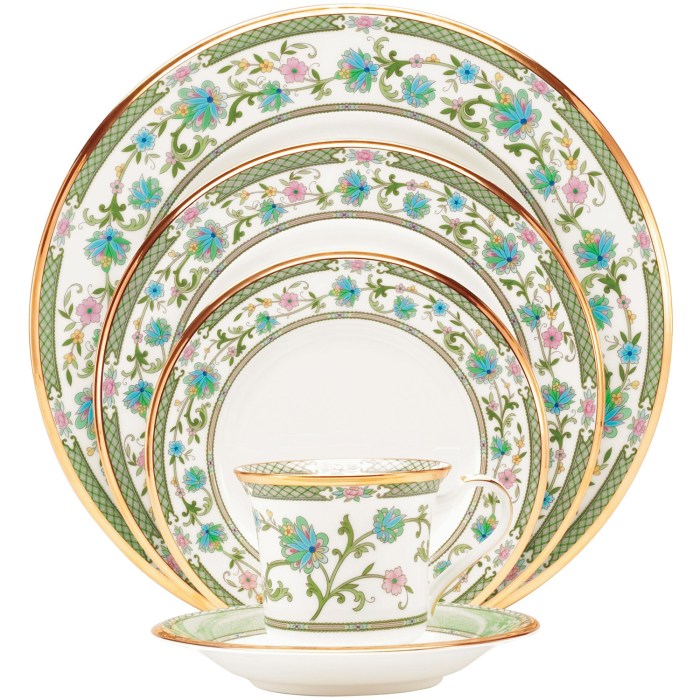
In conclusion, Japanese porcelain dinnerware stands as a testament to the enduring power of tradition and artistry. From its historical roots to its modern interpretations, this exquisite craft continues to captivate collectors and enthusiasts alike. The meticulous techniques, cultural influences, and enduring beauty of Japanese porcelain dinnerware are sure to resonate with those seeking a connection to the past and an appreciation for timeless design.
